
 Pin It
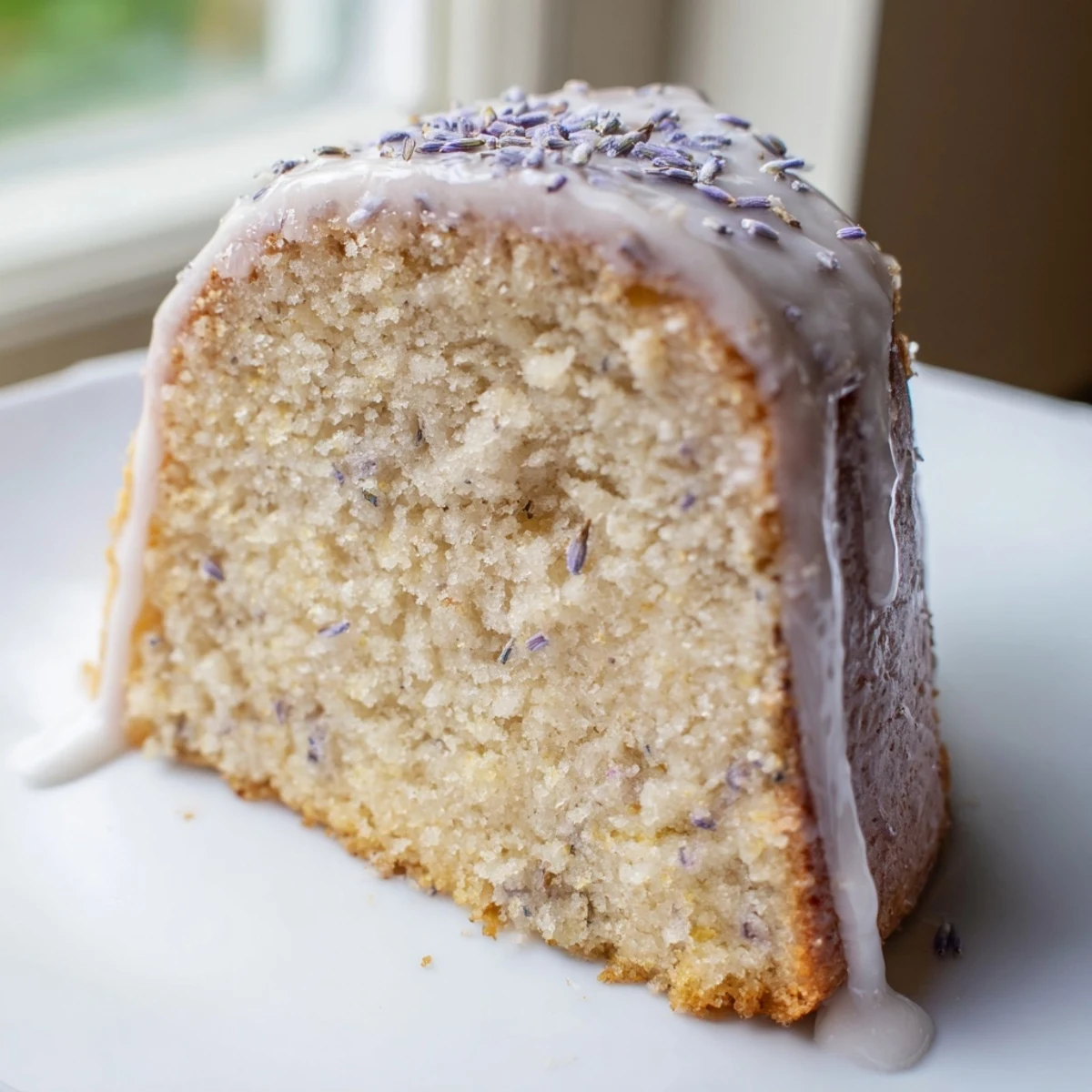
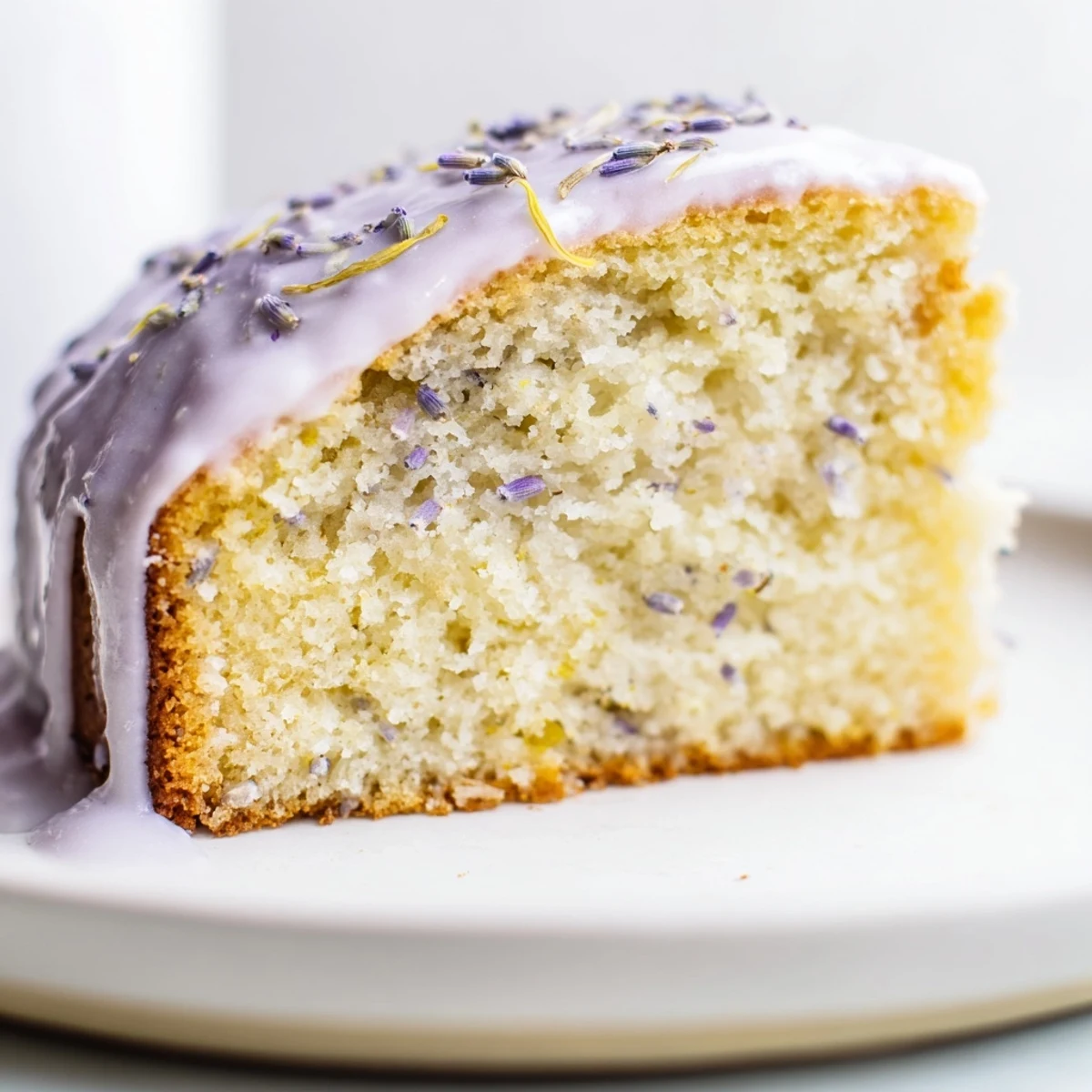
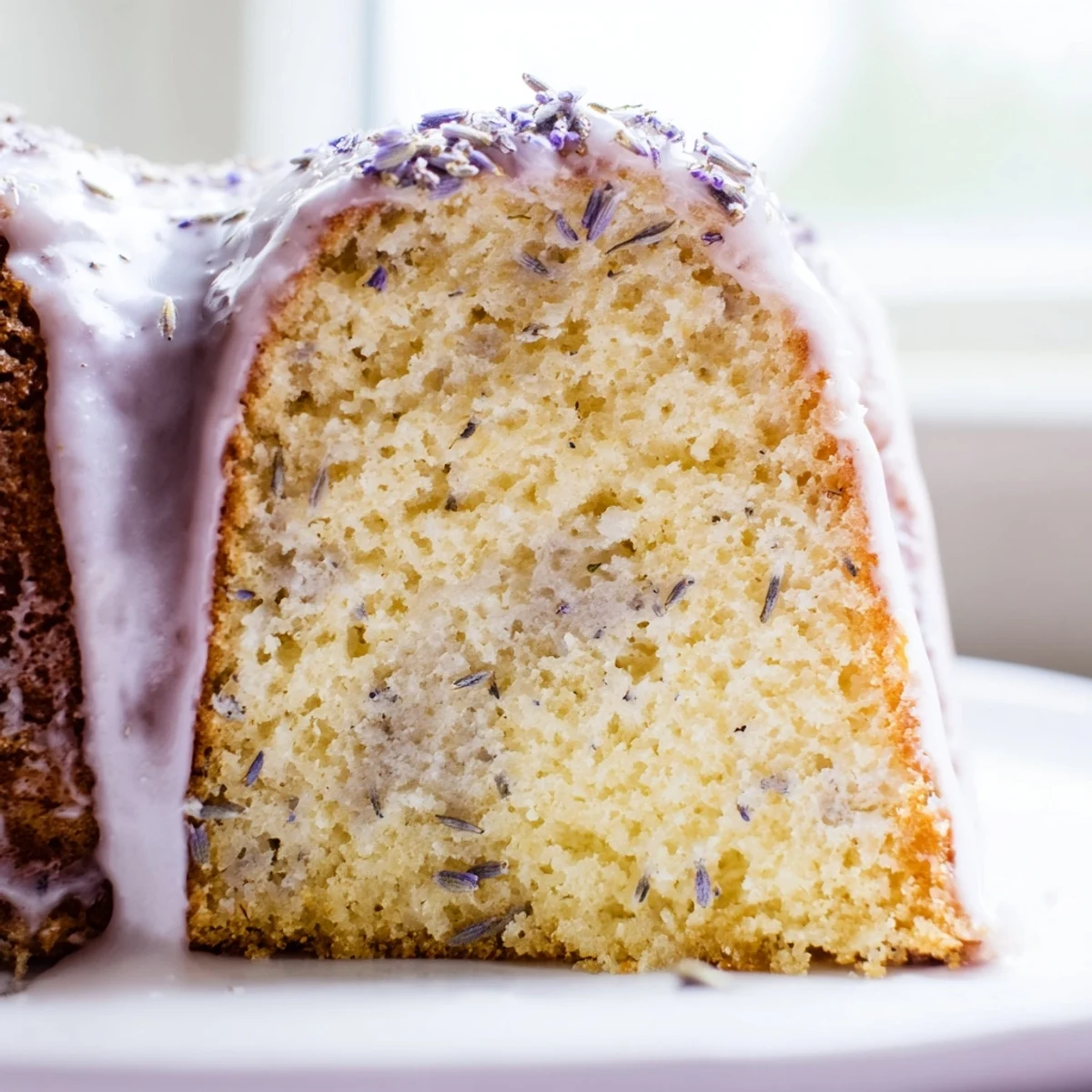
 This elegant lavender cake brings the delicate floral notes of culinary lavender into a moist, tender butter cake. Infused with finely chopped lavender buds and finished with a bright lemon glaze, it's perfect for afternoon tea or spring celebrations.
The optional lavender syrup soak adds extra moisture and intensifies the aromatic qualities. Medium difficulty with straightforward techniques makes this accessible for home bakers.
The scent of lavender always stops me in my tracks, pulling me back to a farmers market in Provence where an elderly woman pressed a small sachet into my palm and whispered that flowers belong in food, not just vases. That chance encounter led to weeks of experimentation in my kitchen, coating my countertops in purple buds before finally landing on this cake that tastes like a summer garden party. The first time I served it, my skeptical brother took one bite, paused, and asked if I had secretly gone to culinary school. Now it is the most requested dessert at every family gathering, proof that sometimes the most unexpected flavors become the most beloved.
Last spring I brought this to a potluck where nobody knew each other, and by the time the last slice disappeared, strangers were swapping phone numbers and planning a book club. Something about gathering around a cake that smells like a French countryside just makes people want to linger a little longer. I have learned to always print extra copies of the recipe because someone inevitably asks.
Ingredients
- All-purpose flour: The backbone of this cake, sifted well to keep everything tender and light.
- Baking powder: Gives the cake its gentle lift without any metallic aftertaste.
- Salt: Just enough to wake up all the other flavors and balance the sweetness.
- Unsalted butter: Room temperature is nonnegotiable here for that perfectly creamed texture.
- Granulated sugar: Creates those tiny air pockets when beaten with butter for a tender crumb.
- Eggs: Large eggs bind everything together and add richness to the finished cake.
- Culinary lavender buds: Must be food grade and finely chopped to release all those aromatic oils.
- Vanilla extract: Rounds out the floral notes with its warm, familiar sweetness.
- Whole milk: Adds moisture and just enough fat to keep everything silky.
- Water and sugar for syrup: An optional step but one that takes this cake from good to unforgettable.
- Powdered sugar and lemon juice: The glaze that brings bright acidity to complement the herbal lavender.
Instructions
- Prepare your pan and oven:
- Heat the oven to 350°F and generously grease your 8-inch round pan with butter, dusting it with flour so the cake releases beautifully.
- Mix your dry ingredients:
- Whisk together the flour, baking powder, and salt in a medium bowl until evenly combined and set aside.
- Cream butter and sugar:
- Beat the softened butter and sugar together until the mixture turns pale and fluffy, which usually takes about 3 minutes of patient mixing.
- Add eggs and flavor:
- Crack in the eggs one at a time, beating well after each addition, then fold in the chopped lavender and vanilla until fragrant.
- Combine wet and dry:
- Alternate adding the flour mixture and milk to your butter mixture, starting and ending with flour, mixing just until everything disappears into the batter.
- Bake the cake:
- Pour the batter into your prepared pan, smooth the top with a spatula, and bake for 25 to 30 minutes until a toothpick comes out clean.
- Make the optional syrup:
- While the cake bakes, simmer the water, sugar, and lavender in a small saucepan for 3 minutes, then strain out the buds.
- Cool and soak:
- Let the cake rest in the pan for 10 minutes, poke small holes across the surface if using syrup, and brush gently before cooling completely.
- Create the glaze:
- Whisk together powdered sugar, fresh lemon juice, and chopped lavender until smooth, then drizzle over the cooled cake in lazy spirals.
- Let it set:
- Give the glaze a few minutes to firm up before slicing so you get clean, beautiful pieces that show off that gorgeous finish.
 Pin It
 I once made this for my neighbor who was going through a difficult divorce, and she told me later that eating a slice on her porch that evening was the first moment of peace she had felt in months. Food does that sometimes, becoming a small anchor in rough waters. This cake has a way of marking moments, both celebratory and quiet.
Working with Edible Flowers
Not all lavender is created equal, and the decorative buds from a craft store have no place in your baking. Look specifically for culinary grade lavender, which is grown and processed for eating. I order mine from a small farm in Washington state, and the difference in flavor is remarkable compared to what sits on spice rack shelves for years.
Perfecting the Glaze Consistency
The glaze should pour like heavy cream, thick enough to coat the back of a spoon but thin enough to spread gracefully on its own. Add lemon juice a tiny splash at a time because you can always thin it further but thickening it back up requires more sugar and adjustments. I learned this the hard way after creating what can only be described as lavender lemon cement.
Serving and Storage Wisdom
This cake tastes best on the day it is made but will keep beautifully for up to three days wrapped well at room temperature. The lavender flavor actually mellows and becomes more rounded after the first day, which some people prefer. I rarely have leftovers long enough to test this theory myself.
- Pair slices with Earl Grey tea for a sophisticated afternoon treat that plays up the floral notes.
- Avoid refrigerating the cake as cold temperatures dull the lavender aroma and dry out the crumb.
- If making ahead, bake the cake but wait to glaze until a few hours before serving for the prettiest presentation.
 Pin It
 Every time I bake this cake, my kitchen smells like a sun-drenched field in the French countryside, and for a brief moment, all is right with the world. I hope it brings the same quiet joy to your table.
Recipe FAQ
- → What does lavender cake taste like?
-
Lavender cake has a delicate, floral flavor profile with subtle citrus and herbal notes. The lavender adds an aromatic quality similar to Earl Grey tea without being overpowering when used in proper quantities.
- → Can I use regular lavender from my garden?
-
Only use culinary-grade lavender buds specifically labeled for cooking. Garden lavender may have been treated with pesticides or could be a variety not suitable for consumption.
- → How do I prevent the lavender flavor from becoming soapy?
-
Finely chop the lavender buds to release their oils gradually. Start with the recommended amount and reduce by half for a more subtle flavor. Over-steeping or using too much creates a soapy taste.
- → What pairs well with lavender cake?
-
Earl Grey tea, chamomile tea, or a glass of prosecco complement the floral notes beautifully. Fresh berries and lightly sweetened whipped cream also make excellent accompaniments.
- → How should I store lavender cake?
-
Store covered at room temperature for up to 3 days. For longer storage, refrigerate for up to a week. Bring to room temperature before serving for best texture and flavor.
- → Can I make lavender cake ahead of time?
-
Yes, bake the cake a day ahead and add the glaze just before serving. The lavender flavor develops and mellows nicely overnight, making it even more balanced.