
 Pin It
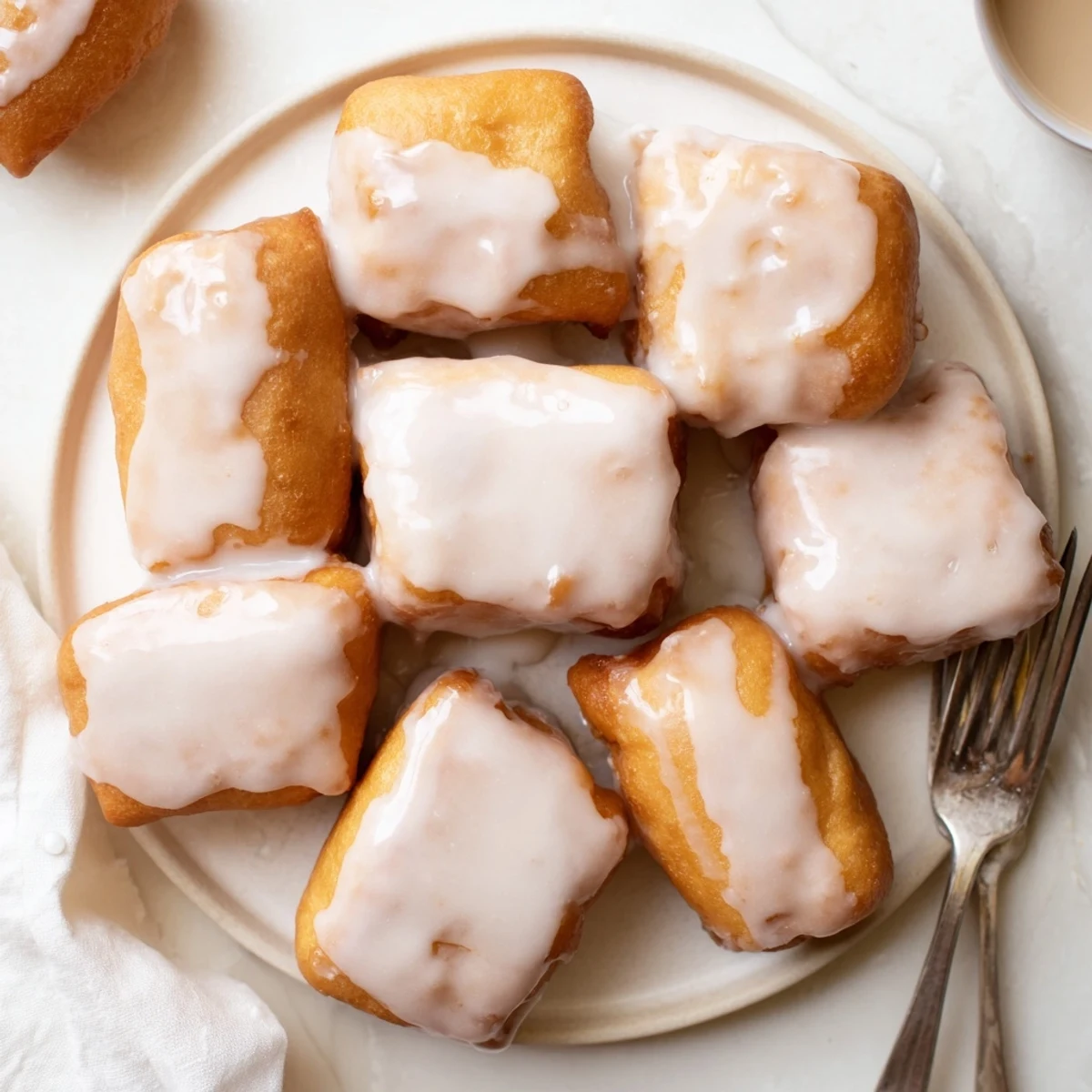
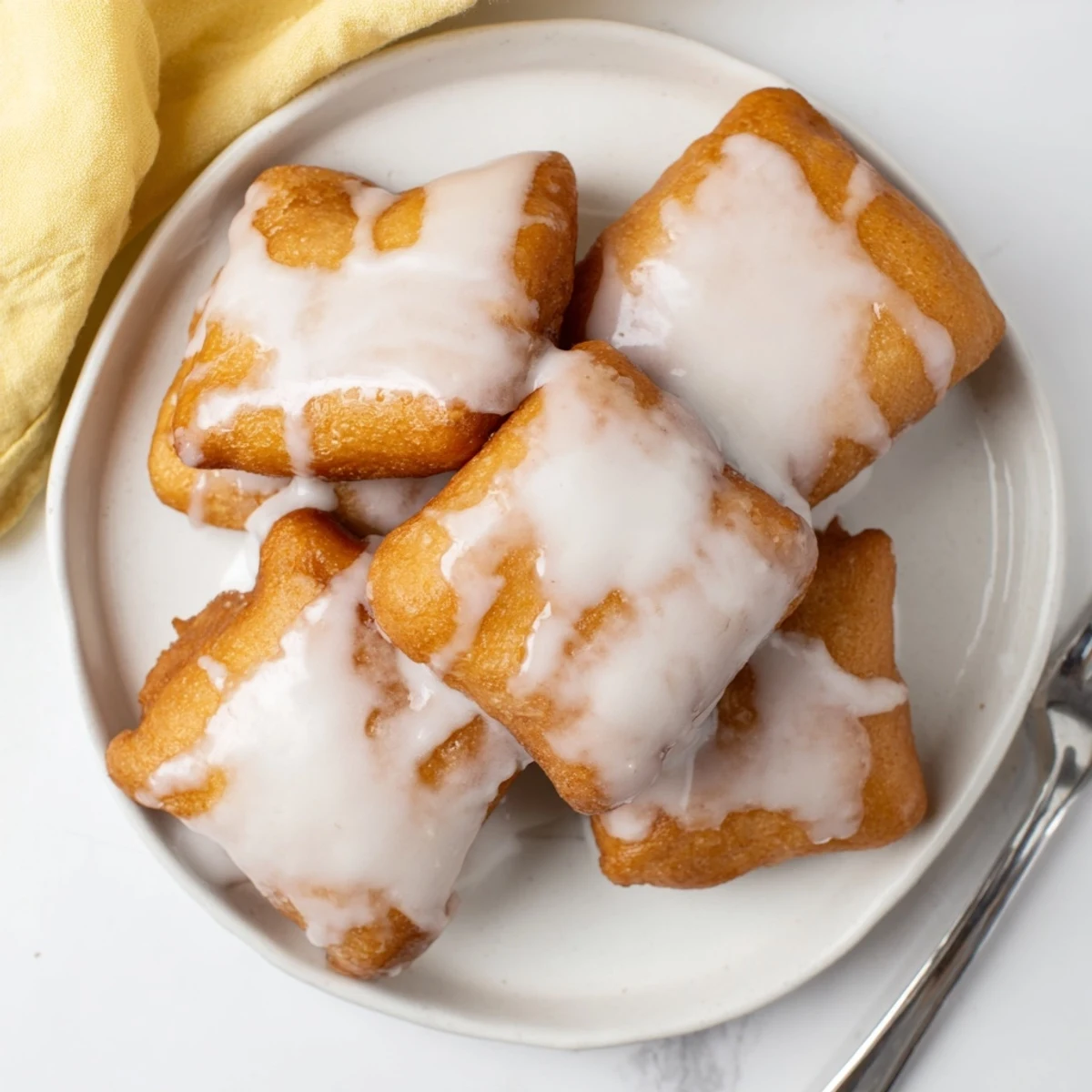
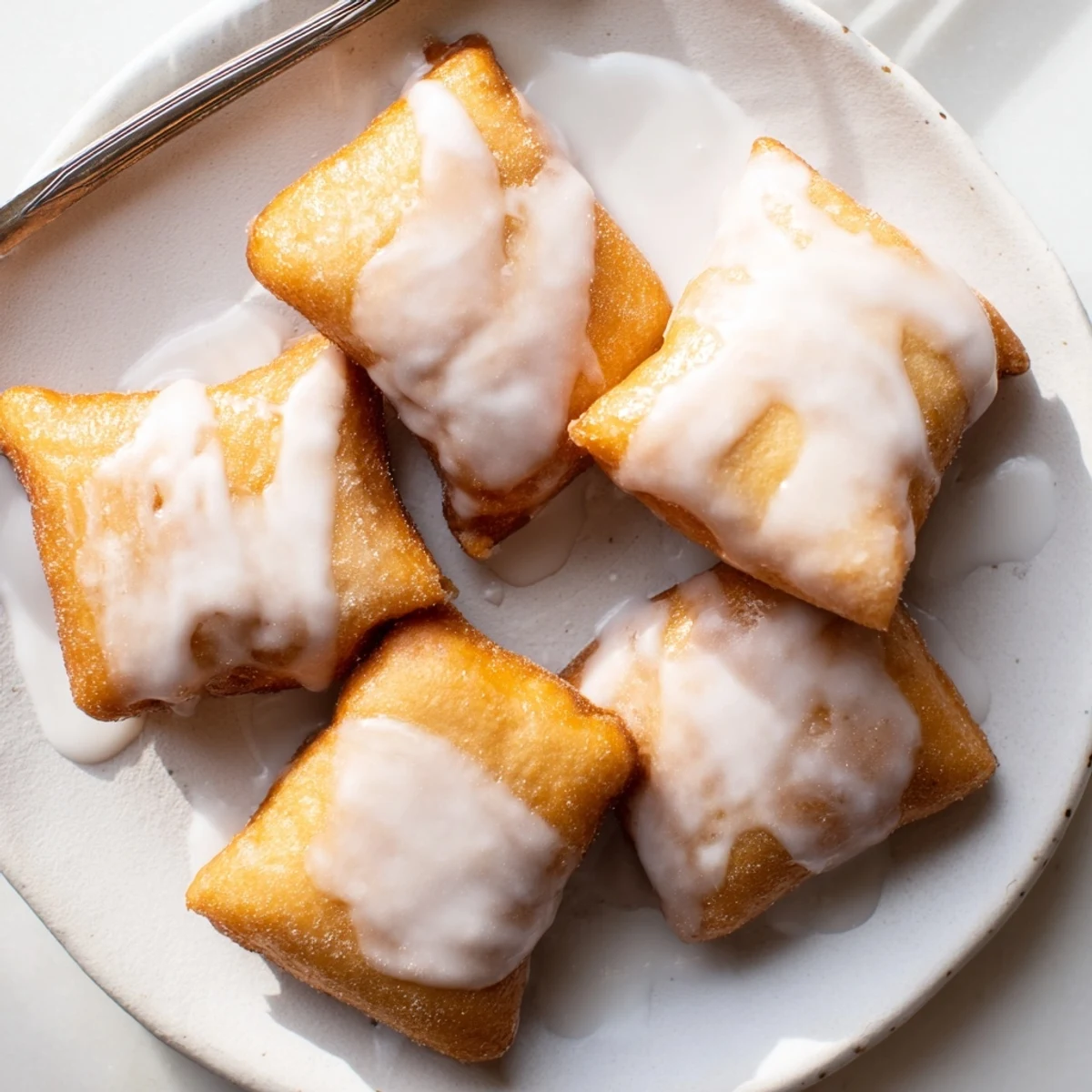
 These buttermilk beignet squares deliver the perfect balance of pillowy texture and rich flavor. The dough achieves exceptional lightness through the tangy buttermilk, while a double-rise process ensures each square puffs beautifully during frying. Finished with a luscious vanilla glaze that seeps into every warm crevice, these treats capture the essence of New Orleans-style pastry making. The 45-minute rise time yields dough that's easy to work with and fries to golden perfection in under two minutes per side.
The first time I made beignets, it was a rainy Sunday morning and I was craving something that felt like a warm hug. I'd just returned from a trip to New Orleans where I'd stood in line at Café du Monde, powdered sugar dusting my black coat like snow. My kitchen smelled like yeast and butter, and when that first batch hit the hot oil, the sizzle was the most comforting sound I'd heard all week. These squares became an instant household favorite, the kind of treat that makes everyone pause whatever they're doing and wander into the kitchen.
Last summer, my sister visited and we made these together while catching up on months of stories. We ended up with flour everywhere, counters dusted like winter, and neither of us minded one bit. The best part was standing over the pot, watching them puff up like magic pillows, then devouring them while they were still too hot to eat properly. She still texts me about those mornings whenever she has a craving for something sweet.
Ingredients
- All-purpose flour: The backbone of your dough, giving structure while keeping things tender
- Active dry yeast: Make sure it's fresh and bubbly when proofed for the best rise
- Buttermilk: This is the secret ingredient that makes these squares so incredibly light and adds a subtle tang
- Unsalted butter: Melt it and let it cool slightly so it doesnt scramble your eggs when mixed in
- Powdered sugar: Sift it first to avoid any lumps in your glaze
- Vegetable oil: You need enough depth to properly fry these beauties without crowding the pot
Instructions
- Mix your dry foundation:
- Whisk together the flour, yeast, sugar, and salt in a large bowl until everything is evenly distributed and you can catch faint whiffs of that distinctive yeast aroma.
- Combine the wet ingredients:
- In a separate bowl, whisk the buttermilk, whole milk, eggs, and melted butter until the mixture is smooth and uniform.
- Bring it together:
- Create a well in the center of your dry ingredients and pour in the wet mixture, stirring until you have a shaggy, sticky dough that's just starting to come together.
- Work the dough:
- Knead on a floured surface for 6 to 8 minutes until the dough transforms from rough and tacky to smooth and elastic, bouncing back when you press it.
- Let it rise:
- Place the dough in an oiled bowl, cover it, and find a warm corner where it can rise undisturbed for about an hour until it has doubled in size.
- Shape the squares:
- Punch down the dough gently, roll it out to a generous half-inch thickness, and cut into neat 2-inch squares using a sharp knife or pastry cutter.
- Rest before frying:
- Arrange the squares on parchment paper, cover them loosely, and let them rest for 20 minutes to ensure they puff beautifully in the hot oil.
- Fry to golden perfection:
- Heat your oil to 350°F and fry the squares in batches for 1 to 2 minutes per side until they're golden brown and puffed like little clouds.
- Glaze while warm:
- Whisk powdered sugar, milk, and vanilla until smooth, then dip each warm beignet into the glaze, letting the excess drip off before setting on a rack.
 Pin It
 These became my go-to comfort food during a particularly difficult winter, when the house felt too quiet and I needed something to anchor my mornings. There's something meditative about the rhythm of rolling, cutting, frying, and glazing that settles the mind. Now the scent of frying dough always pulls my family into the kitchen, drawn by that familiar combination of warmth and sugar and possibility.
Perfecting Your Technique
After making these dozens of times, I've learned that patience with the rising time is absolutely non-negotiable. Rushing this step results in dense squares that never achieve that signature airy texture. Also, keeping your oil temperature steady is the difference between light, pillowy beignets and ones that are either raw inside or burnt outside. A thermometer is your best friend here, though I've learned to judge it by dropping in a tiny scrap of dough and watching how it sizzles.
Serving Suggestions
These are exceptional with a strong cup of coffee, the bitterness cutting through the sweetness of the glaze in the most perfect way. I've also served them alongside fresh berries when I want to pretend I'm eating something somewhat healthy. On special occasions, I'll add a pinch of cinnamon to the glaze or sprinkle some chopped pecans on top while it's still wet.
Make Ahead And Storage
You can actually prepare the dough the night before and let it rise slowly in the refrigerator, which develops even more flavor. Just bring it to room temperature before rolling and cutting. Leftover beignets are best eaten the same day, but if you must store them, keep them at room temperature in an airtight container and reheat briefly in the oven to restore some of that fresh-fried texture.
- The glaze sets best on beignets that are warm but not piping hot
- If your glaze seems too thick, add milk one teaspoon at a time until it reaches coating consistency
- These freeze well unglazed if you want to fry a batch later
 Pin It
 There's something profoundly satisfying about making these from scratch, transforming simple ingredients into something that feels like a celebration. Every batch is a little reminder that some of the best things in life start with flour, yeast, and a willingness to wait for something good.
Recipe FAQ
- → What makes buttermilk essential for beignets?
-
The acidity in buttermilk tenderizes the gluten structure, creating a softer crumb while activating the yeast for better rise. It adds subtle tang that balances the sweet glaze.
- → Can I prepare the dough ahead of time?
-
Yes, refrigerate the dough after the first rise for up to 24 hours. Let it come to room temperature for 30 minutes before rolling and cutting into squares.
- → What's the ideal frying temperature?
-
Maintain oil at 350°F (175°C). Too cool results in greasy squares, while too hot burns the exterior before the interior cooks through.
- → How do I achieve the perfect glaze consistency?
-
Whisk powdered sugar, milk, and vanilla until smooth. The glaze should coat the back of a spoon. Add milk 1 teaspoon at a time to thin if needed.
- → Why let the cut squares rest before frying?
-
The 20-minute rest allows the dough to relax, ensuring even puffing during frying and preventing the squares from shrinking or becoming tough.
- → What's the best way to reheat leftovers?
-
Warm in a 300°F oven for 5-7 minutes to restore crispness. Avoid microwaving as it makes them soggy. Apply fresh glaze if desired.