
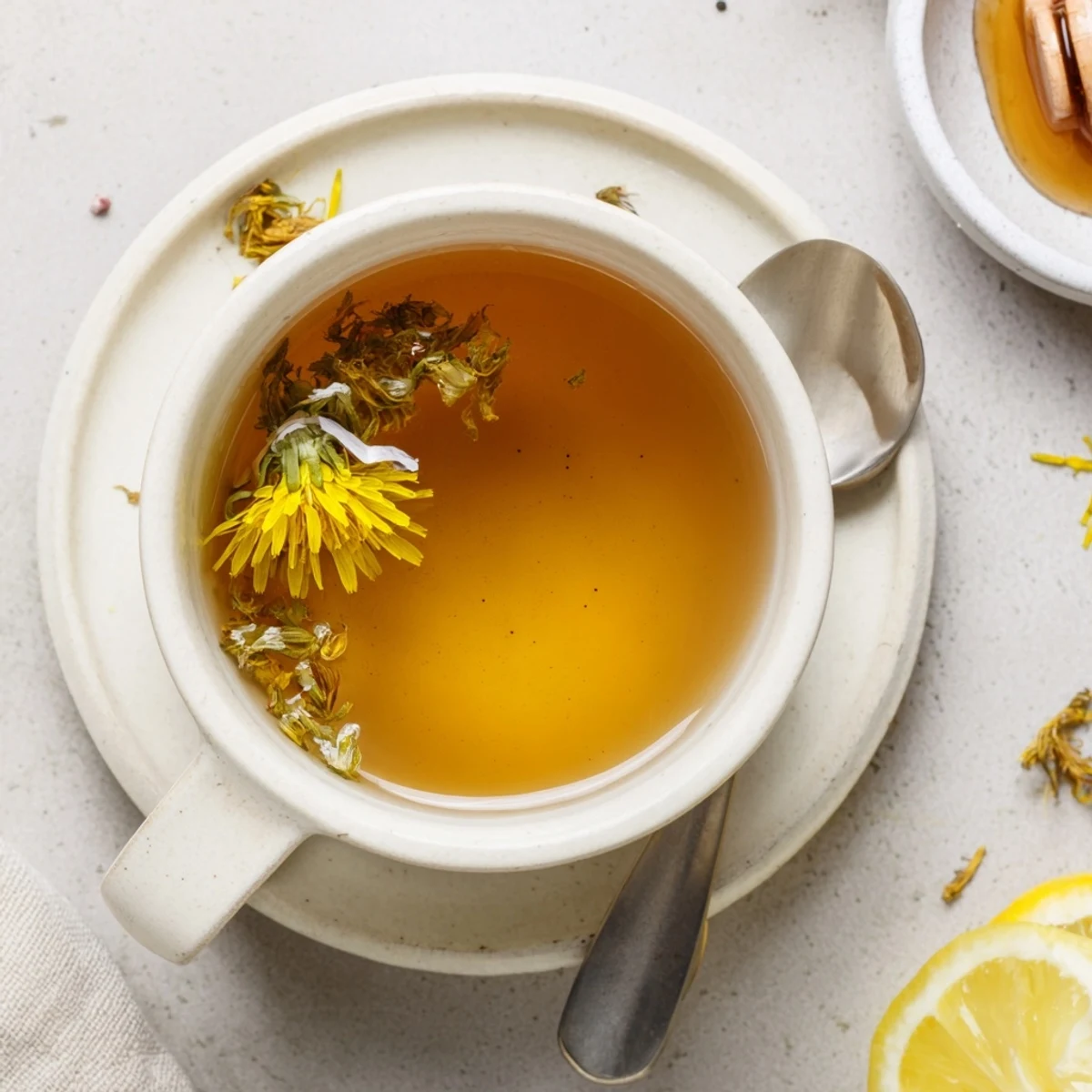
 Pin It
 This nourishing herbal infusion transforms fresh or dried dandelion petals and greens into a light, earthy beverage. The simple preparation involves steeping the washed botanicals in hot water for 8–10 minutes, creating a gentle tea that's traditionally valued for supporting natural detoxification and digestive health. You can customize the flavor with honey or lemon, and the method works equally well with a blend of leaves and petals for a more nuanced taste profile. For a richer, coffee-like alternative, try roasting dandelion roots before steeping. Always harvest from pesticide-free areas and positively identify wild plants before use.
My grandmother showed me how to spot the perfect dandelions for tea. She would crouch down in the yard, pointing out which flowers had the most vibrant yellow petals and telling me they made the sweetest brew. Now whenever I see those cheerful yellow heads dotting the lawn, I cant help but gather a handful for the kettle.
Last spring my neighbor watched me picking dandelions from the edge of the driveway. She looked so confused until I handed her a warm mug ten minutes later. Now she texts me every May asking if the dandelions are ready for harvest.
Ingredients
- Dandelions: Fresh petals and leaves bring a bright floral note that dried versions cant quite capture, so use them whenever spring allows
- Filtered water: Clean water matters since delicate herbal flavors really shine through without any mineral interference
- Honey or maple syrup: A tiny bit balances the natural bitterness and makes this feel like something special
Instructions
- Prep your blossoms:
- Rinse everything thoroughly under cold water, giving the petals a gentle shake to dislodge any tiny hitchhikers
- Heat the water:
- Bring your water to a rolling boil, then let it sit for about thirty seconds so its not violently hot
- Combine and steep:
- Place the dandelions in your teapot, pour the water over them, and cover to trap all those aromatic compounds
- Wait patiently:
- Let it steep for 8 to 10 minutes while the water turns a gorgeous golden amber color
- Strain and serve:
- Pour through a fine mesh strainer into your favorite mug, then add honey or lemon if you like
 Pin It
 This tea became my go to morning ritual during a particularly stressful month at work. Something about watching those sunny yellow petals transform into something healing felt like a small rebellion against chaos.
Harvesting Wisdom
The best time to gather dandelions is mid morning after the dew has dried but before the afternoon heat causes the flowers to close up. I keep a small pair of scissors in my pocket so I can snip just the flower heads without disturbing the roots.
Drying For Later
Spread clean petals on a baking sheet and let them dry in a warm spot for about three days. Store them in a glass jar away from light and they will keep their magic for months. Sometimes I dry a big batch to remind myself of spring during Januarys grayest days.
Making It Yours
Try adding a sprig of mint or a few crushed cardamom pods to the infusing mixture for a completely different experience. The base flavor is mild enough that almost any complementary herb will shine.
- A pinch of dried ginger adds a lovely warming kick
- Cooled dandelion tea makes a refreshing base for smoothies
- The leftover petals can be composted back into your garden
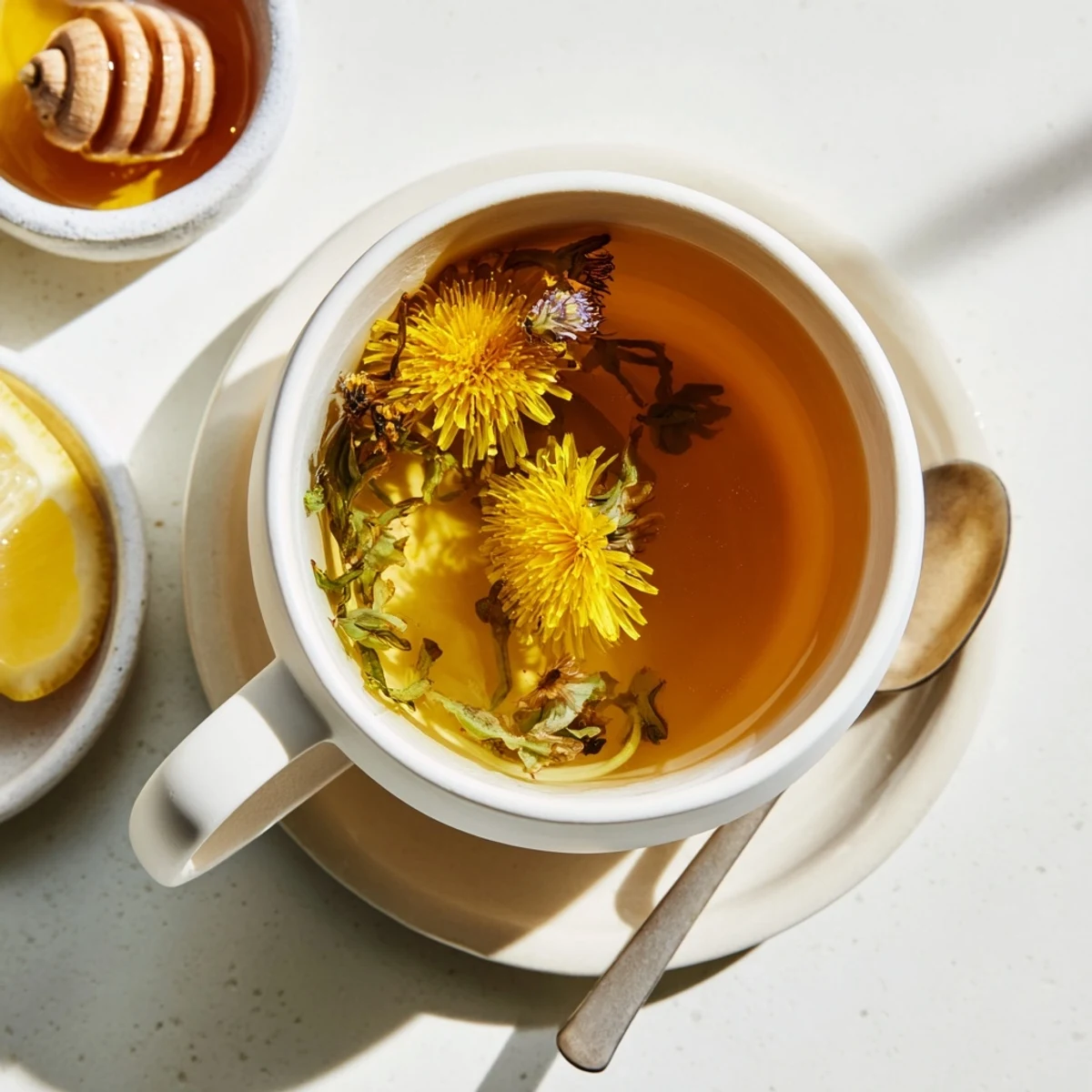 Pin It
 Theres something deeply satisfying about turning a so called weed into a moment of peace. Happy brewing.
Recipe FAQ
- → What parts of the dandelion plant are best for tea?
-
Both the petals and leaves work beautifully for this light infusion. You can use them individually or blend them together for a more complex flavor profile. Fresh botanicals offer a vibrant taste, while dried versions provide a convenient year-round option.
- → How long should I steep the dandelions?
-
Allow the dandelion petals and leaves to steep covered for 8–10 minutes. This duration extracts the beneficial compounds while maintaining a pleasant, earthy flavor. Steeping longer may result in a more bitter taste.
- → Can I make this with roasted dandelion roots?
-
Absolutely. Roasted dandelion roots create a deeper, darker infusion with coffee-like notes. The preparation method remains similar—simply steep the roasted root pieces in hot water and strain. This variation offers a richer, more robust flavor experience.
- → Is it safe to harvest wild dandelions?
-
Yes, provided you harvest from areas free of pesticides, herbicides, and chemical treatments. Avoid gathering near roadsides or industrial zones. Always positively identify the plant before use, and be aware of potential allergies to wild botanicals.
- → What are the traditional benefits of this herbal infusion?
-
Dandelion tea has been traditionally valued for its gentle detoxifying properties and digestive support. The light, earthy brew contains beneficial compounds that may help support liver function and promote healthy digestion when enjoyed as part of a balanced lifestyle.
- → Can I store this tea for later?
-
For best flavor and potency, enjoy the infusion immediately after steeping. However, you can refrigerate any leftover tea in a sealed container for up to 24 hours. The flavor may mellow slightly, but the beneficial properties remain intact.