
 Pin It
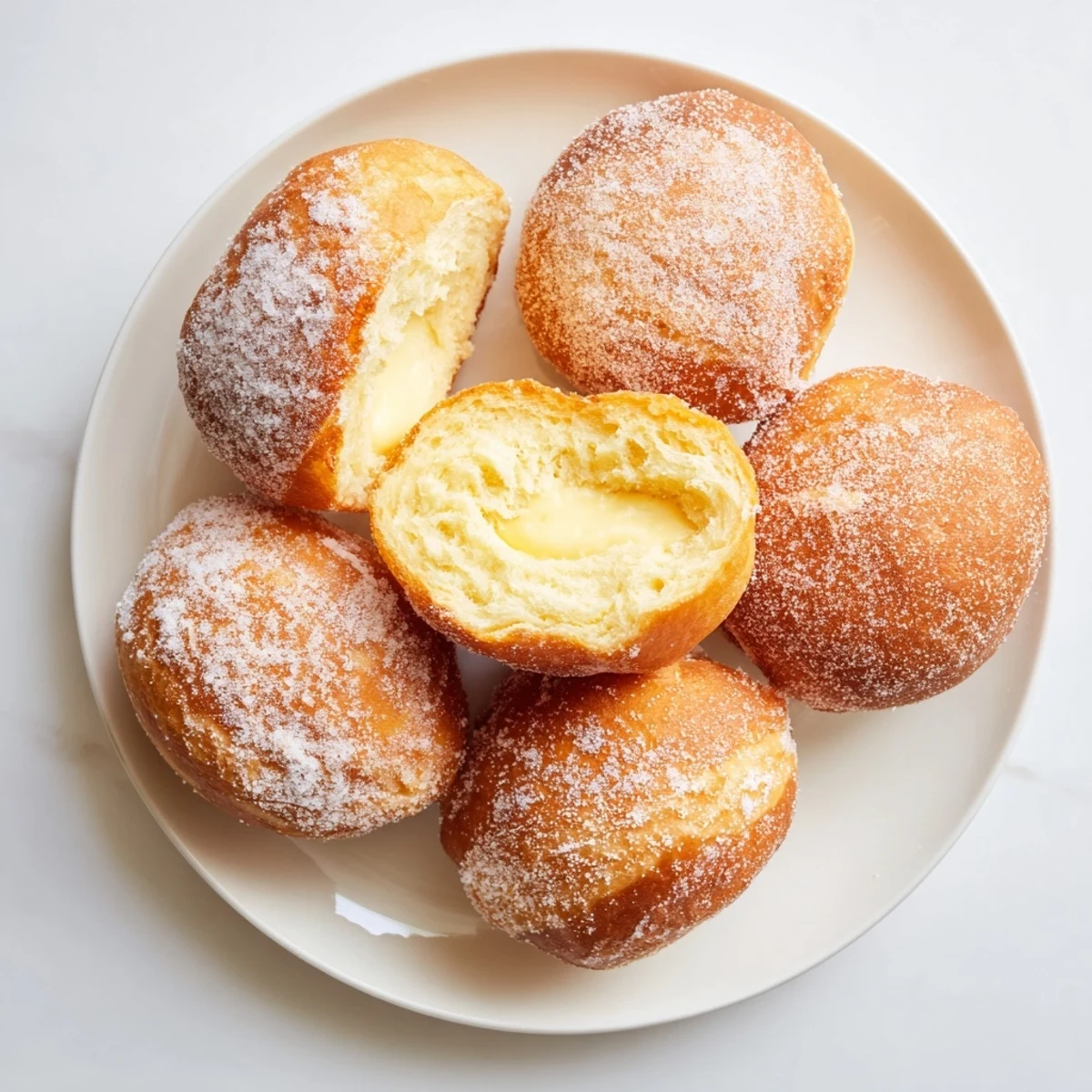
 These beloved Italian treats feature light, airy fried dough pockets filled with velvety vanilla pastry cream. The process involves creating a yeast-based dough that rises until pillowy, frying until golden, then generously filling with homemade cream and rolling in sugar. Perfect with morning espresso or as an evening indulgence.
There's something almost magical about pulling donuts fresh from hot oil and watching them puff up like tiny golden clouds. My first attempt at bomboloni ended in a kitchen dusted with flour and the most spectacular mess, but one bite into that warm, cream-filled center and I didn't care about the cleanup. These Italian treats have become my go-to when I want to make something that feels like a hug in food form.
I remember making these for my dad's birthday breakfast and the way his eyes lit up when he bit into the first one. The house smelled like vanilla and warm sugar, and suddenly it didn't matter that I'd burned the first batch because I was distracted by conversation. That's the thing about bomboloni—they're forgiving, and even the mistakes taste pretty incredible.
Ingredients
- All-purpose flour: This forms the structure that holds everything together—don't skip the kneading time
- Active dry yeast: The magic behind those pillowy puffs, so make sure your milk is warm but not hot
- Whole milk: Creates richness in both dough and cream that water just can't replicate
- Eggs: Room temperature eggs incorporate better and give the dough that golden crumb
- Unsalted butter: Softened butter blends into the dough beautifully for a tender bite
- Vanilla extract: Use the good stuff here since it shines in both components
- Cornstarch: This is what makes the pastry cream thick enough to stay put inside
- Vegetable oil: You need enough for deep frying so donuts float freely
- Extra sugar for coating: That signature dusty coat while warm is non-negotiable
Instructions
- Wake up the yeast:
- Combine your flour, sugar, yeast, and salt in a large bowl or stand mixer before adding the warm milk, eggs, vanilla, and softened butter. Let it mix into a shaggy ball first, then knead for 8 to 10 minutes until the dough feels smooth and almost satiny against your fingers.
- Let it rise:
- Place your dough in a lightly greased bowl, cover it with a clean towel, and walk away for about an hour and a half. You'll come back to dough that's doubled in size and poked with little air bubbles.
- Shape the rounds:
- Punch down that risen dough gently, roll it out to about ¾ inch thickness on a floured surface, then cut rounds with a 3-inch cutter. Arrange them on parchment-lined trays, cover loosely, and let them puff up again for 30 to 45 minutes.
- Make the pastry cream:
- Heat your milk in a saucepan until it's steaming but not boiling while you whisk egg yolks, sugar, and cornstarch until pale and smooth. Slowly pour that hot milk into the yolks, whisking furiously, then return everything to the pot and cook over medium heat, whisking constantly until it thickens into something gorgeous—about 2 or 3 minutes. Whisk in vanilla and butter, press plastic wrap right onto the surface, and chill it completely.
- Fry until golden:
- Heat your oil to 350°F and fry 2 or 3 donuts at a time for 2 to 3 minutes per side until they're a deep golden brown. Transfer them to paper towels and while they're still warm, roll them in granulated sugar until they look like little sugar-dusted clouds.
- Fill them up:
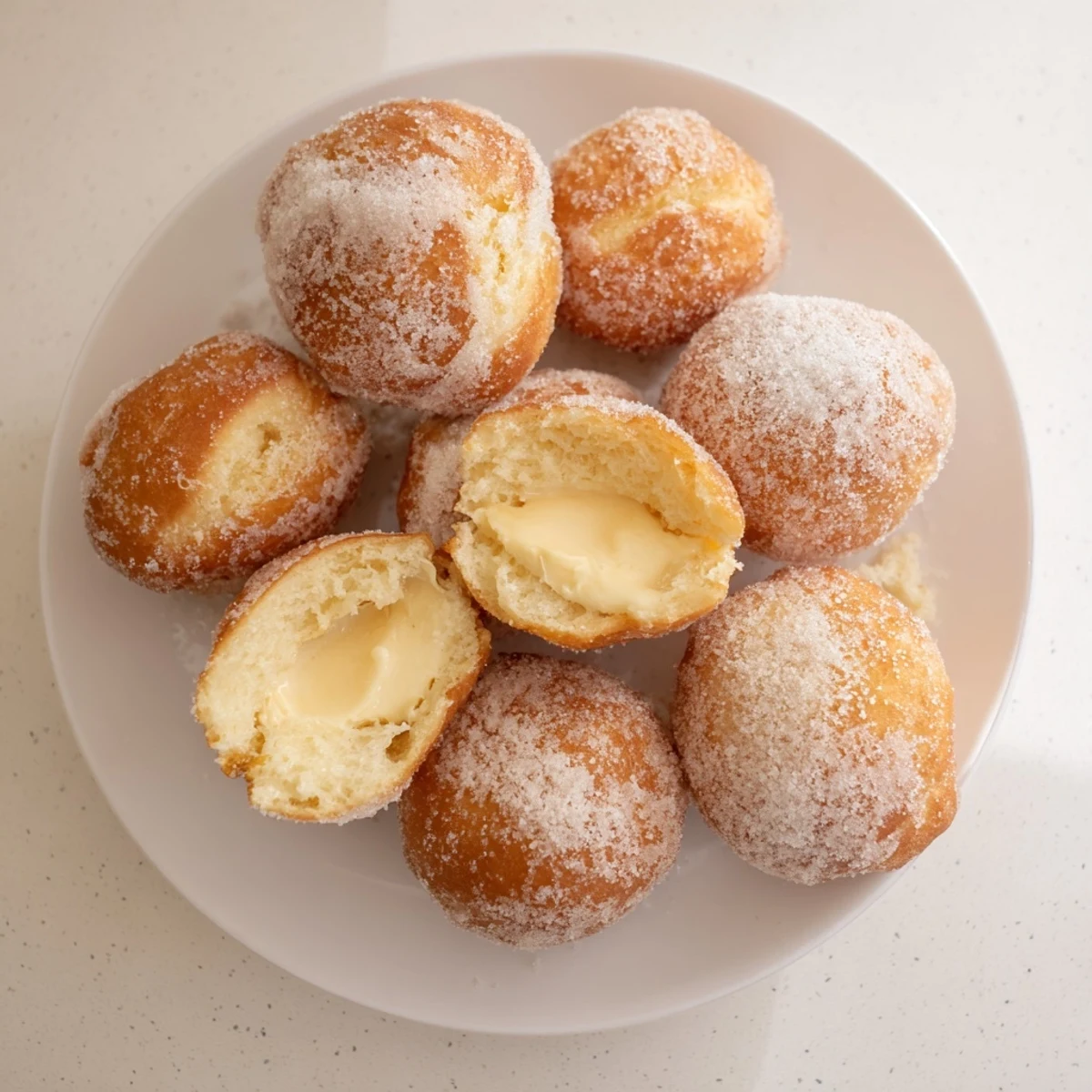
- Once the donuts have cooled enough to handle, poke a small hole in the side of each one with a piping tip or knife. Fill a piping bag with your chilled pastry cream and pipe generously until you feel the donut get slightly heavier in your hand.
 Pin It
 The first time I served these at a brunch, people kept asking where I'd bought them. Watching someone's face when they bite into that first creamy center is genuinely one of my favorite kitchen moments now.
Timing Your Components
I've learned the hard way that making pastry cream the day before is a game-changer. It needs to be completely cold to pipe properly, and trying to rush it with warm cream leads to melted, messy disasters. Plus, the flavors deepen overnight in the fridge.
Frying Wisdom
Invest in a kitchen thermometer if you don't have one. Guessing oil temperature is how you end up with donuts that are raw in the middle or dark outside. I fried donuts for years before finally buying one, and the difference was embarrassing.
Serving and Storage
Bomboloni are best the same day they're made—there's nothing quite like that contrast between warm sugar and cool cream. If you need to store them, keep them uncovered at room temperature and fill just before serving.
- Dust with powdered sugar instead of granulated for a bakery-style finish
- Add a tablespoon of espresso to the pastry cream for a mocha variation
- Fill them only when you're ready to serve so they stay crisp longer
 Pin It
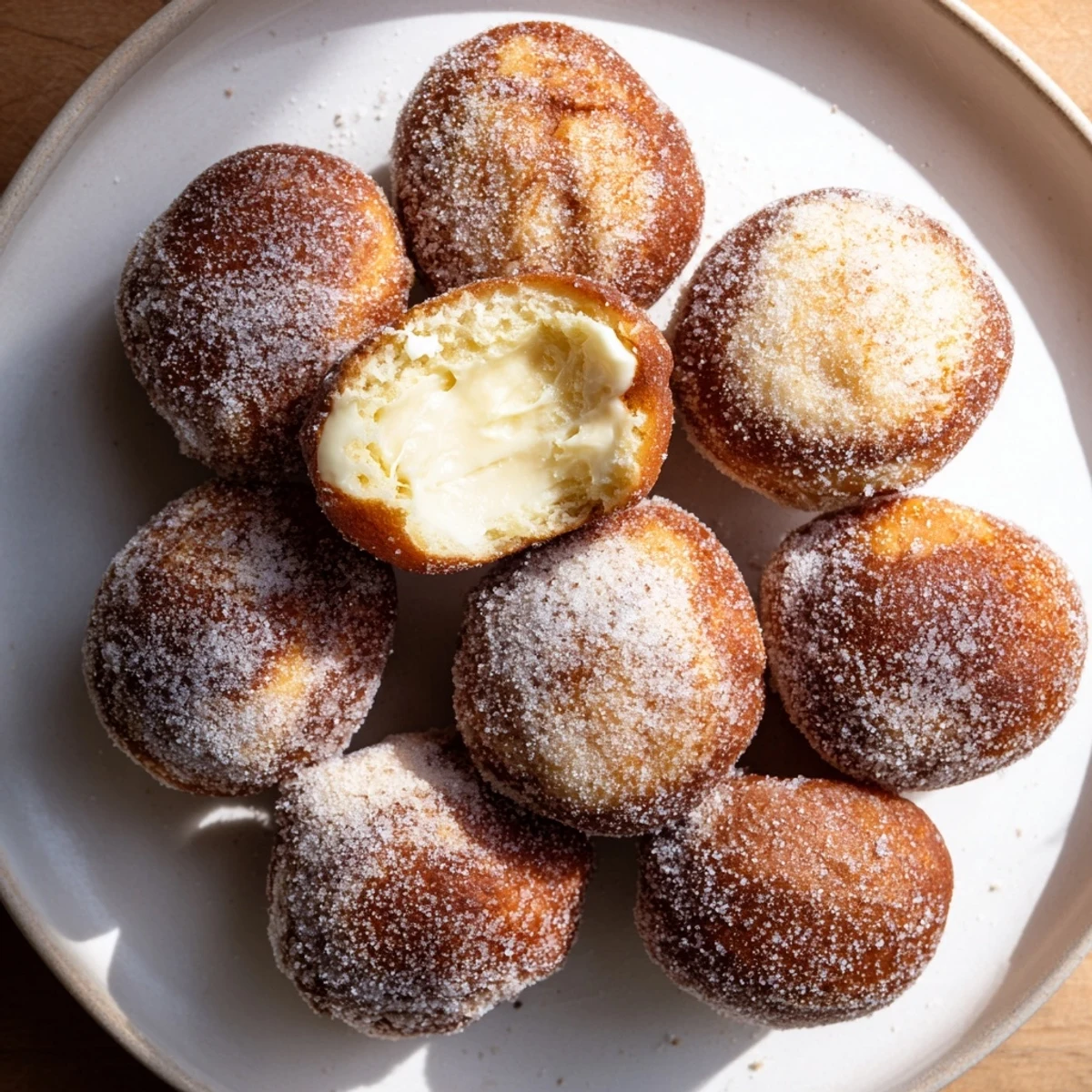
 There's something deeply satisfying about making something that looks like it came from a professional bakery. These donuts will disappear faster than you can say 'just one more.'
Recipe FAQ
- → What makes bomboloni different from regular donuts?
-
Bomboloni are Italian-style filled donuts with no central hole. They're lighter and airier than American donuts, made with a yeast dough that creates an exceptionally soft, pillowy texture perfect for holding generous amounts of creamy filling.
- → Can I make the dough ahead of time?
-
Absolutely. Prepare the dough and let it complete its first rise, then refrigerate overnight. The cold fermentation develops flavor. Bring to room temperature before shaping and proceeding with the second rise.
- → What other fillings work well?
-
While vanilla pastry cream is traditional, you can fill with chocolate cream, Nutella, fruit preserves, lemon curd, or even mascarpone mixed with citrus zest. The neutral dough pairs beautifully with various sweet fillings.
- → Why must the oil temperature be precise?
-
Maintaining 350°F (175°C) ensures proper cooking. Too cool and donuts absorb excess oil, becoming greasy. Too hot and they burn outside while remaining raw inside. Use a kitchen thermometer for consistent results.
- → How do I store filled bomboloni?
-
Best enjoyed fresh the same day. If storing, keep unfried dough refrigerated and fry the next morning. Filled bomboloni can be kept at room temperature for 6-8 hours, but the cream may soften the dough over time.
- → Can I bake instead of fry?
-
Baking yields a different texture—denser and less golden than fried. For authenticity, deep-frying is recommended. However, you can bake at 375°F (190°C) for 12-15 minutes if preferred, brushing with melted butter before sugar coating.