
 Pin It
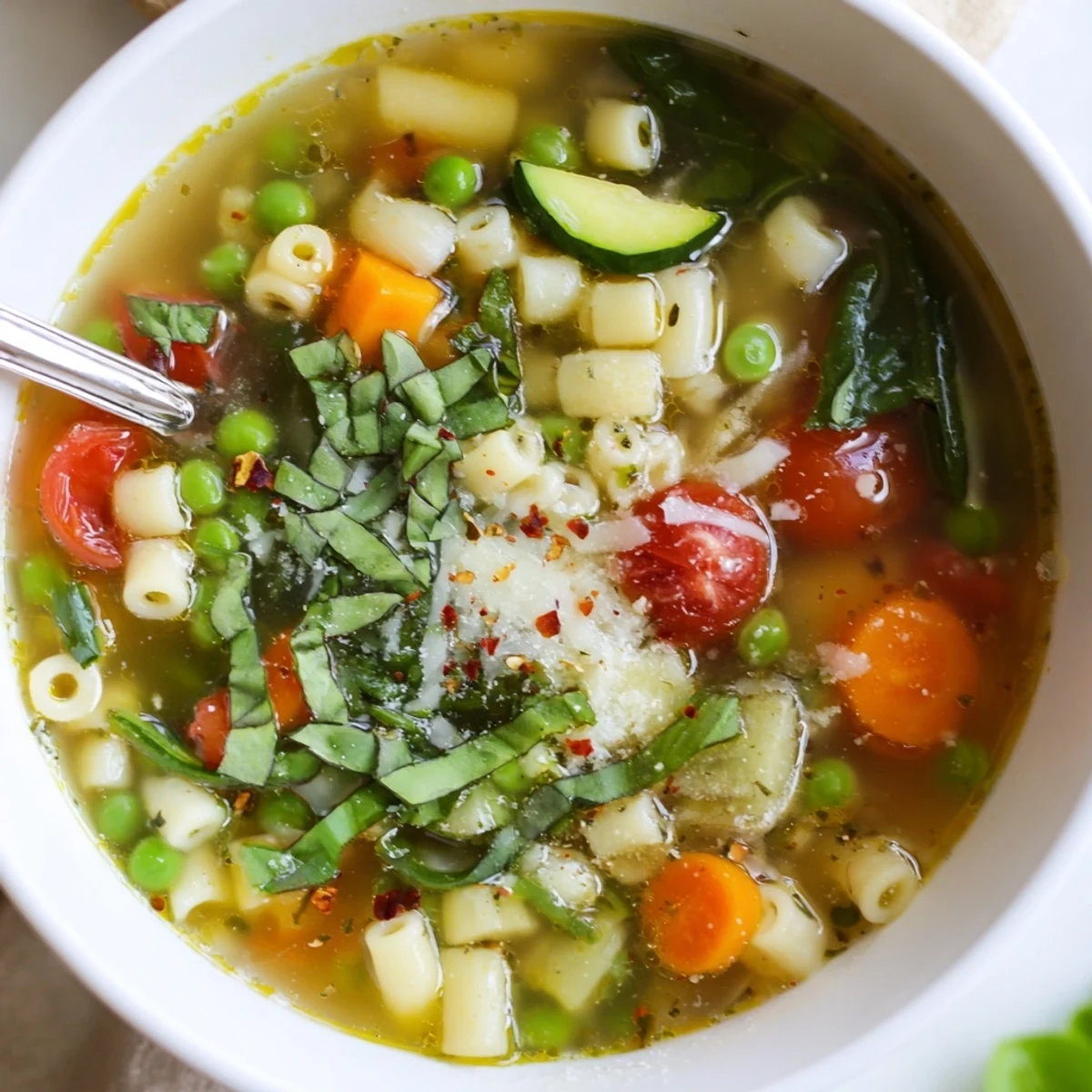
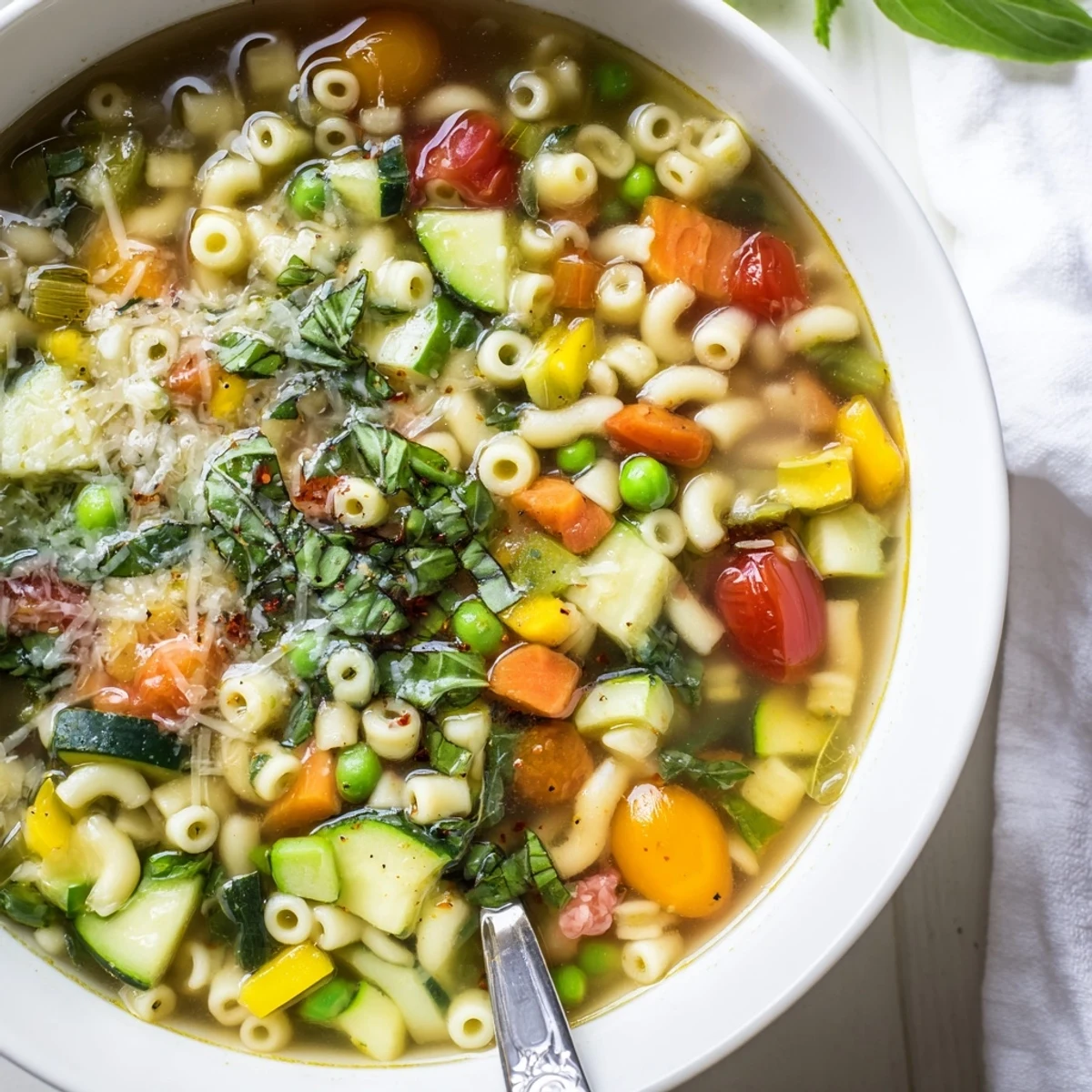
 This spring minestrone combines sautéed onion and garlic with carrots, celery, zucchini, green beans and cherry tomatoes, simmered in vegetable broth with ditalini and peas. Spinach and fresh herbs are stirred in at the end. Ready in about 50 minutes, it’s a light, herb-scented bowl—top with grated Parmesan and a drizzle of olive oil for finishing. For extra heartiness, stir in cooked cannellini beans or serve with crusty bread.
There’s something almost mischievous about the way the kitchen starts to smell when the first garlic and onion hit the olive oil—the quiet sizzle hints at the promise of spring flavors ahead. Last April, after a spontaneous visit to the farmer’s market yielded a riot of new vegetables, I found myself improvising this minestrone while music played and sunlight crept across my cutting board. The air felt charged with possibility, and I couldn’t resist tossing in every fresh green sprout I’d hauled home. It turned into one of those soups that just begs you to breathe deep and linger in the kitchen a little longer.
The afternoon I first made this for friends, we all crowded into the kitchen—someone brought over bread, another uncorked a chilled bottle of wine, and no one seemed in any hurry to leave. The sounds of laughter mixed in with the gentle simmer, and together we made a meal that was more about company than perfection.
Ingredients
- Olive oil: The real magic-maker for starting this soup; a swirl infuses subtle richness and helps all the savory flavors bloom.
- Yellow onion: You’ll notice the soup’s base deepen when this gets soft and sweet—don’t rush this step.
- Garlic: Just two cloves are enough to lift the whole pot with a gentle bite, but watch it closely so it doesn’t brown.
- Carrots and celery: This classic pairing brings crunch and sweetness that lingers in every spoonful—cut them to a similar size so they cook evenly.
- Zucchini: Melts into the broth in a way that’s soft but never mushy, and reminds you spring is here.
- Peas: Always bright and playful—frozen are just fine, but fresh make the color pop.
- Green beans: Trim them well and snap to 1-inch pieces for satisfying texture in each bite.
- Baby spinach: Tossed in right at the end, it just wilts and swirls emerald green through the soup.
- Cherry tomatoes: Their burst of sweetness balances all the green, and halving them lets them melt in.
- Vegetable broth: Choose one you’d happily sip on its own—this is the canvas for the soup’s art.
- Small pasta (ditalini or orzo): The tiny shapes hold brothy goodness in every curve; stir them well so they don’t settle.
- Salt, black pepper, red pepper flakes: These basic seasonings let the vegetables sing; adjust as you go to match your mood.
- Fresh basil, parsley, dill: Tossing these in at the end brings the whole soup alive with fragrance.
- Parmesan cheese (garnish): Salty, nutty, and totally optional—but even a small dusting transforms the bowl.
- Extra virgin olive oil (for drizzling): The finishing touch that adds silkiness and aroma you’ll notice right away.
Instructions
- Bloom the aromatics:
- Set a large pot over medium heat and pour in the olive oil. As soon as it shimmers, scatter in the onion and garlic—stir until the kitchen smells sweet and the mixture looks translucent, about 3 minutes.
- Build the base:
- Add the diced carrots and celery. Let them sizzle and soften, stirring occasionally, for around 5 minutes so they become tender but still hold their shape.
- Add spring’s bounty:
- Toss in the zucchini, green beans, and cherry tomatoes. Let these veggies mingle for another 2 to 3 minutes, letting their colors brighten and the tomatoes begin to soften.
- Simmer the broth:
- Pour in the vegetable broth gently, pausing to enjoy the steam and aroma that rise up. Increase heat to bring everything to a gentle boil.
- Pasta and peas:
- Stir in the pasta and peas, then reduce the heat so the soup simmers steadily. Cook for 8–10 minutes until the pasta is just al dente and the vegetables are tender, stirring now and then to keep the pasta from sticking.
- Herbs and greens finale:
- Add in all the spinach and herbs, stirring until the greens wilt and everything looks vibrantly green. Taste and season with salt, black pepper, and red pepper flakes if you like a little heat.
- Finish and serve:
- Ladle the soup into warm bowls. Top each serving with Parmesan and a drizzle of extra virgin olive oil before enjoying right away.
 Pin It
 One evening in early May, my neighbor stopped by just as the soup was finished—she had meant to stay for only a minute, but the smell kept her hovering at the stove, and soon enough, she had a bowl in hand and stories pouring out as quickly as the soup ladled in. It was in that unplanned hour that this simple dish turned into a doorway for new connection.
Swapping Vegetables Made Simple
On days when the market shelves look a little different, I’ve found that asparagus, fava beans, or even a handful of chopped kale fit in beautifully. The secret is to keep your veggies chopped to similar sizes so everything cooks evenly and you get a perfect mix in every bite.
The Broth Matters More Than You’d Think
Once I tried this with a bland store-bought broth and wondered why the soup felt flat—the next time, I simmered some veggie scraps to make my own and the difference was stunning. Even an extra squeeze of lemon at the end will brighten bottled broth if you’re caught in a pinch.
What to Pair With Your Spring Soup
A well-chosen slice of crusty bread makes this meal feel complete, especially when dunked right into the bowl. A crisp glass of Pinot Grigio alongside seems to make the world slow down for a moment, too.
- Add a side of marinated olives for something salty and unexpected.
- If you have leftover soup, know that the flavors deepen overnight but the pasta may soak up more broth.
- A final swirl of herby olive oil can make leftovers feel special all over again.
 Pin It
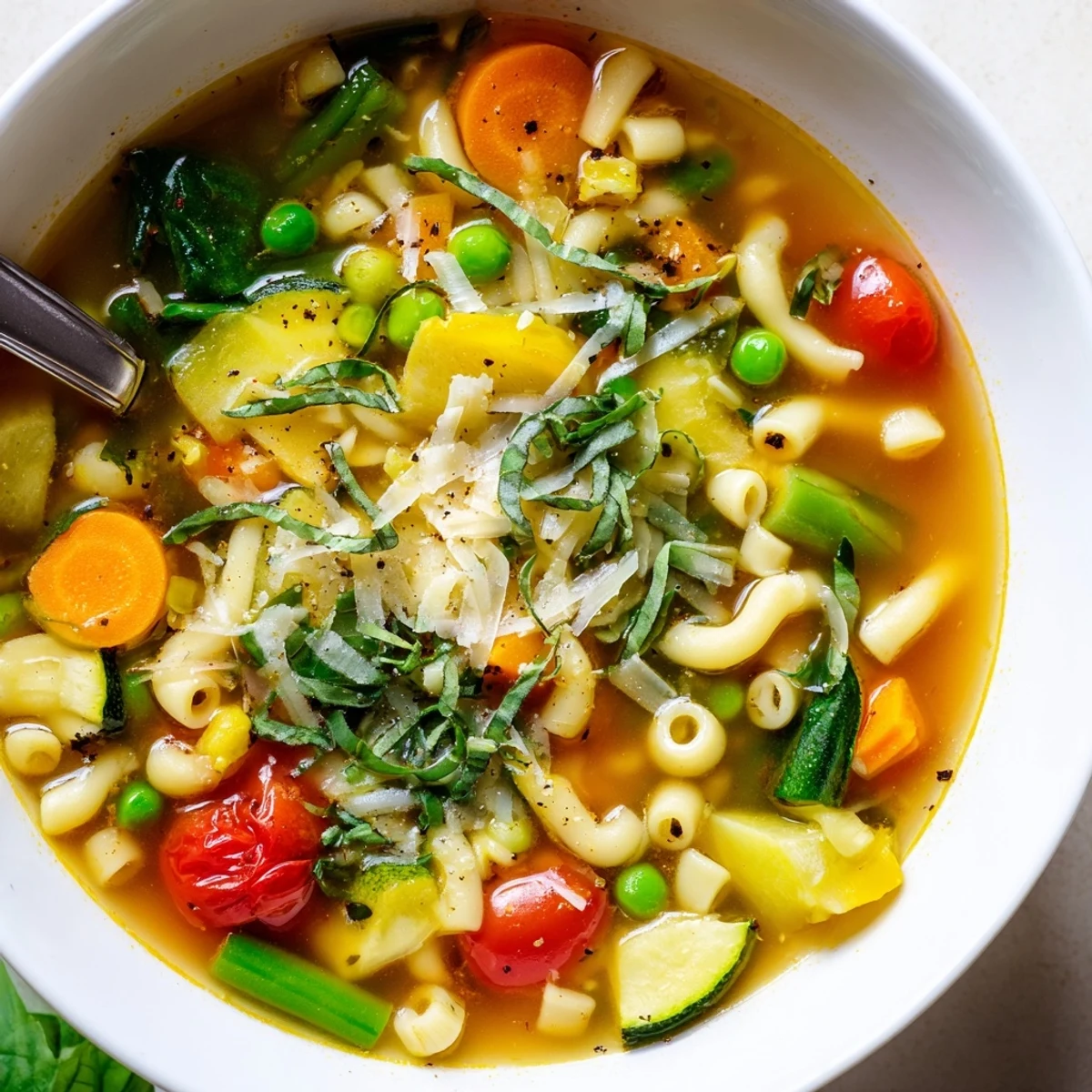
 Whether you’re after a flash of color in the middle of the week or a gentle welcome to spring’s brightest greens, this minestrone is a small celebration in every bowl. Here’s to meals that brighten your table and your day.
Recipe FAQ
- → How long should the pasta cook to stay al dente?
-
Simmer the small pasta 8–10 minutes with the broth and peas, checking at 8 minutes. Remove from heat when al dente; carryover cooking will soften it slightly while you finish the soup.
- → How can I keep the vegetables bright and slightly crisp?
-
Sauté root vegetables first to soften, then add quicker-cooking items later and simmer briefly. Add spinach at the end and cook just until wilted to preserve color and texture.
- → Which pasta shapes work best?
-
Small shapes like ditalini, orzo, or small shells distribute evenly through the broth and complement the vegetables without overpowering the bowl.
- → What are easy swaps for vegan or gluten-free needs?
-
Omit Parmesan or use a plant-based alternative for a vegan finish. Use certified gluten-free pasta to make the dish gluten-free, and check broth labels for hidden allergens.
- → Can I add beans for more protein?
-
Yes—stir in rinsed canned cannellini or navy beans when you add the pasta so they warm through. They add creaminess and substance without long cooking.
- → Best way to store and reheat leftovers?
-
Cool quickly and refrigerate in an airtight container for up to 3 days. Reheat gently on the stove with a splash of broth to loosen the mixture; pasta may absorb liquid overnight.