
 Pin It
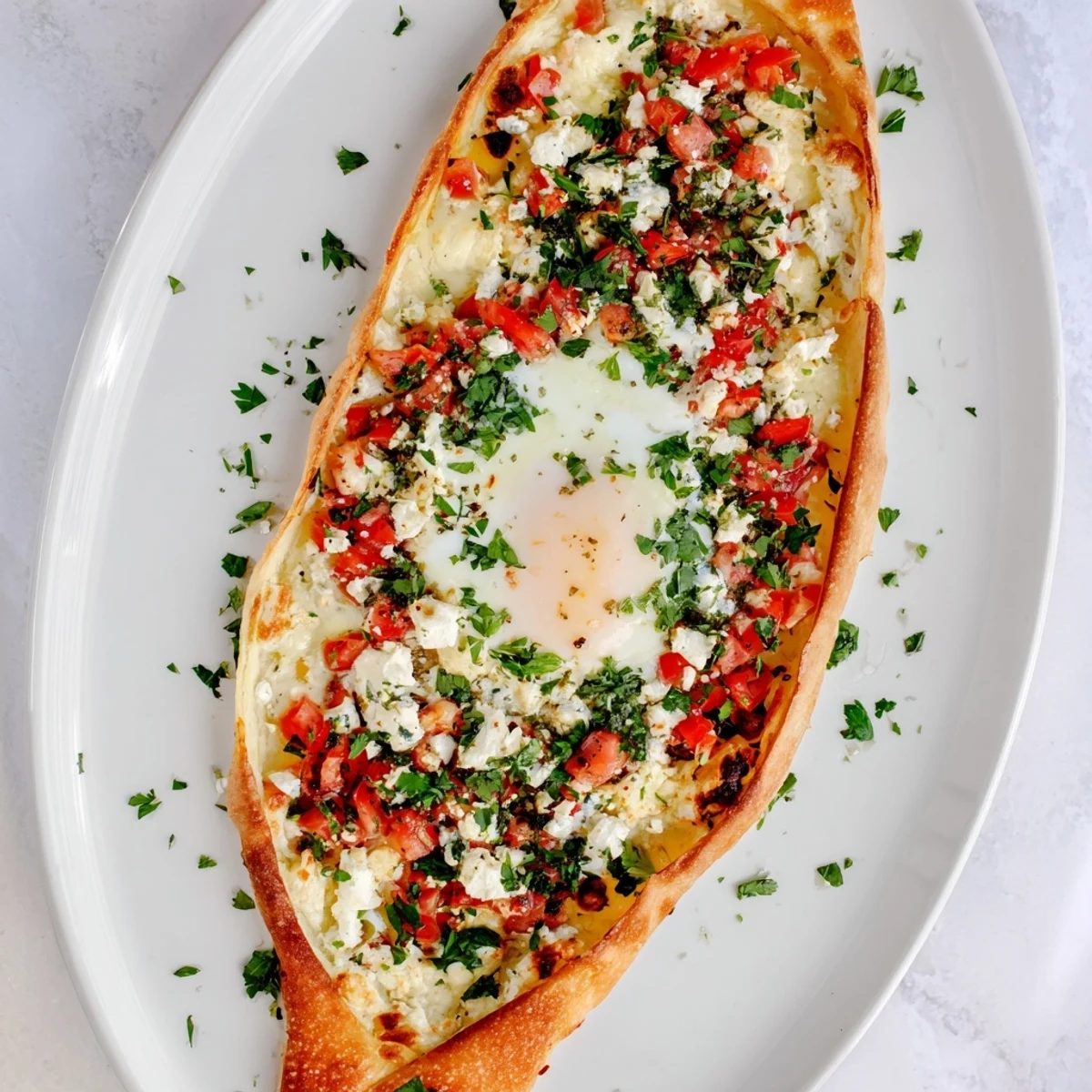
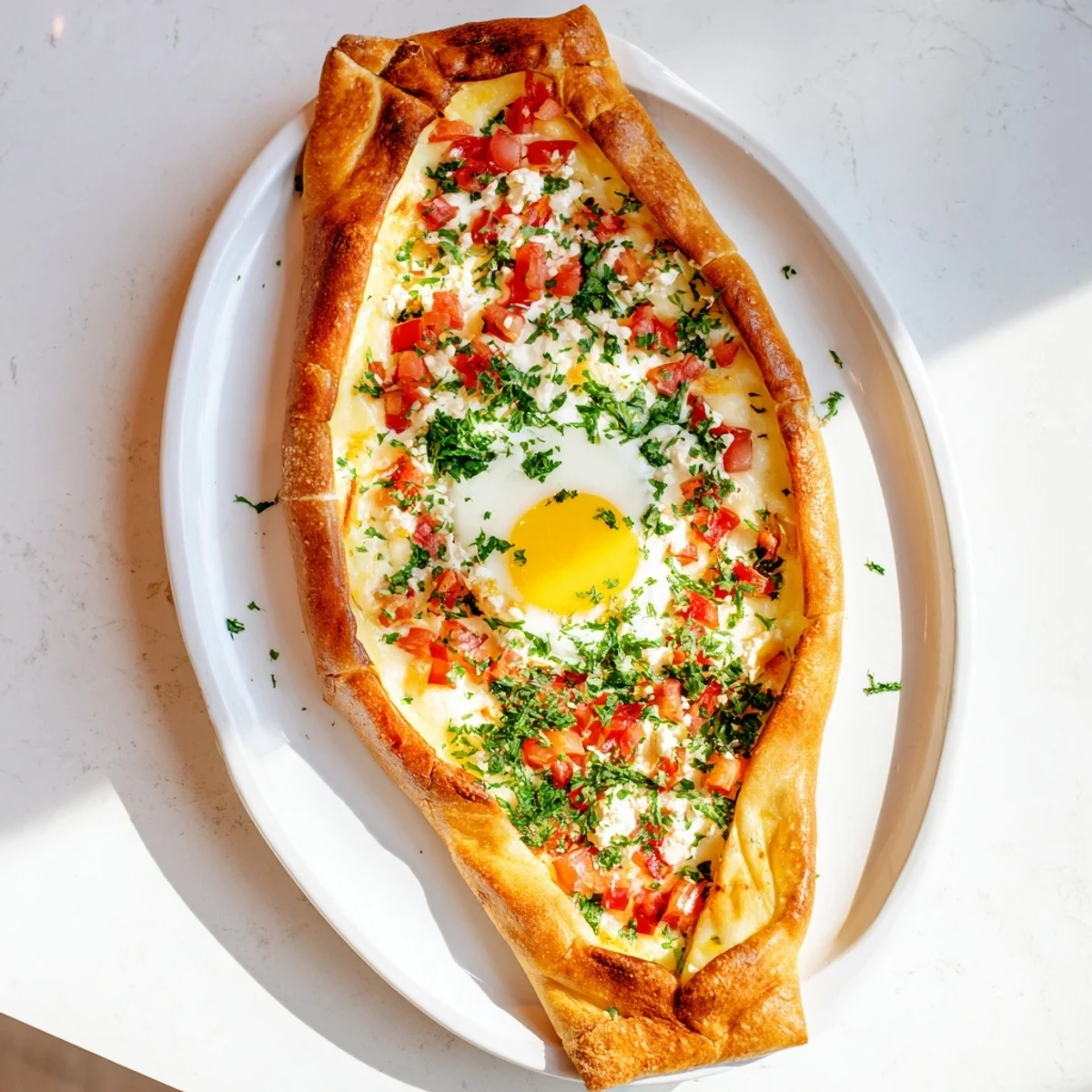
 Create authentic Turkish pide at home with this straightforward method. The yeast-based dough yields a crisp yet chewy boat-shaped flatbread that cradles a savory blend of mozzarella, feta, and fresh tomatoes. Each pide receives a cracked egg that bakes to perfection—set whites with gloriously runny yolks. The finished dish features golden, butter-brushed edges and a fragrant sprinkle of parsley. This vegetarian-friendly dish serves four generously and pairs beautifully with fresh salads or pickles. The combination of textures—from the crisp crust to the creamy cheese and tender egg—makes every bite satisfying.
The scent of warm bread mingling with bubbling cheese still takes me back to a tiny takeaway spot in Istanbul where I first watched a baker slide these wooden paddles into a blistering hot oven. Something about the way those golden boat shapes cradled runny yolks felt like pure magic. I've been making them ever since, tweaking the filling until it tastes just like that first bite.
Last summer I made these for brunch when friends visiting from out of town crashed at my place. They were still sleepy and yawning at the table, but the minute I set down those steaming pide boats, everyone perked up instantly. Now they text me asking when I'm making them again every single time they visit.
Ingredients
- All purpose flour: Gives the dough structure while keeping it tender enough to fold into those classic boat shapes
- Instant yeast: Makes the dough rise reliably without needing to proof it first
- Warm water: Should feel like bath temperature, not hot enough to kill the yeast
- Olive oil: Keeps the dough pliable and adds subtle richness to the crust
- Mozzarella cheese: Creates that gorgeous stretch when you pull apart the pide
- Feta cheese: Brings salty tanginess that balances perfectly with mild mozzarella
- Ripe tomatoes: Need to be seeded thoroughly so your filling doesn't get soggy
- Fresh parsley: Adds bright freshness that cuts through all that rich cheese
- Dried oregano: Earthy notes that make the filling taste traditionally Turkish
- Large eggs: Room temperature eggs will cook more evenly than cold ones
- Melted butter: Brushing the edges creates that golden finish and adds extra flavor
Instructions
- Make the dough:
- Combine flour, yeast, sugar, and salt in a large bowl, then stir in warm water and olive oil until shaggy. Knead on a floured surface for 8 to 10 minutes until the dough is smooth and bounces back when pressed.
- Let it rise:
- Cover the bowl and place it somewhere warm for about an hour until the dough has doubled in size.
- Prepare the filling:
- Mix mozzarella, feta, diced tomatoes, parsley, oregano, and pepper in a bowl while the oven preheats to 475°F.
- Shape the pide:
- Punch down the dough and divide into four pieces, rolling each into an oval roughly 10 by 4 inches on a floured surface.
- Fill and form:
- Spread cheese mixture over each oval leaving a half inch border, then fold and pinch the ends into that signature boat shape.
- First bake:
- Brush edges with melted butter and bake for 10 minutes until the dough starts to turn golden.
- Add the eggs:
- Carefully crack an egg into the center of each pide and return to the oven for 7 to 10 minutes more.
- Finish and serve:
- Brush edges with additional butter if desired and sprinkle with extra parsley while still warm.
 Pin It
 My neighbor caught the incredible smell wafting through the hallway and knocked on my door with a container of homemade pickles. We ended up eating together at my kitchen counter, and she taught me that serving something tangy alongside cuts through all the richness perfectly.
Getting the Dough Right
The dough should feel slightly tacky but not sticky when you're kneading it. If it's too dry, add water a teaspoon at a time. Too wet, sprinkle in just a tiny bit more flour. Trust your hands more than the exact measurements.
Mastering the Shape
I used to struggle with the ends popping open in the oven until learned to really pinch them tight. Some people twist the ends like a candy wrapper, which works beautifully too.
Perfect Egg Timing
Every oven heats differently, so start checking at the 7 minute mark after adding eggs. You want whites fully set but those yolks still gloriously runny. They'll keep cooking slightly even after you pull them out.
- Have your ingredients at room temperature before starting
- Work quickly once you crack the eggs so they bake evenly
- Let the pide rest for just 2 minutes before serving
 Pin It
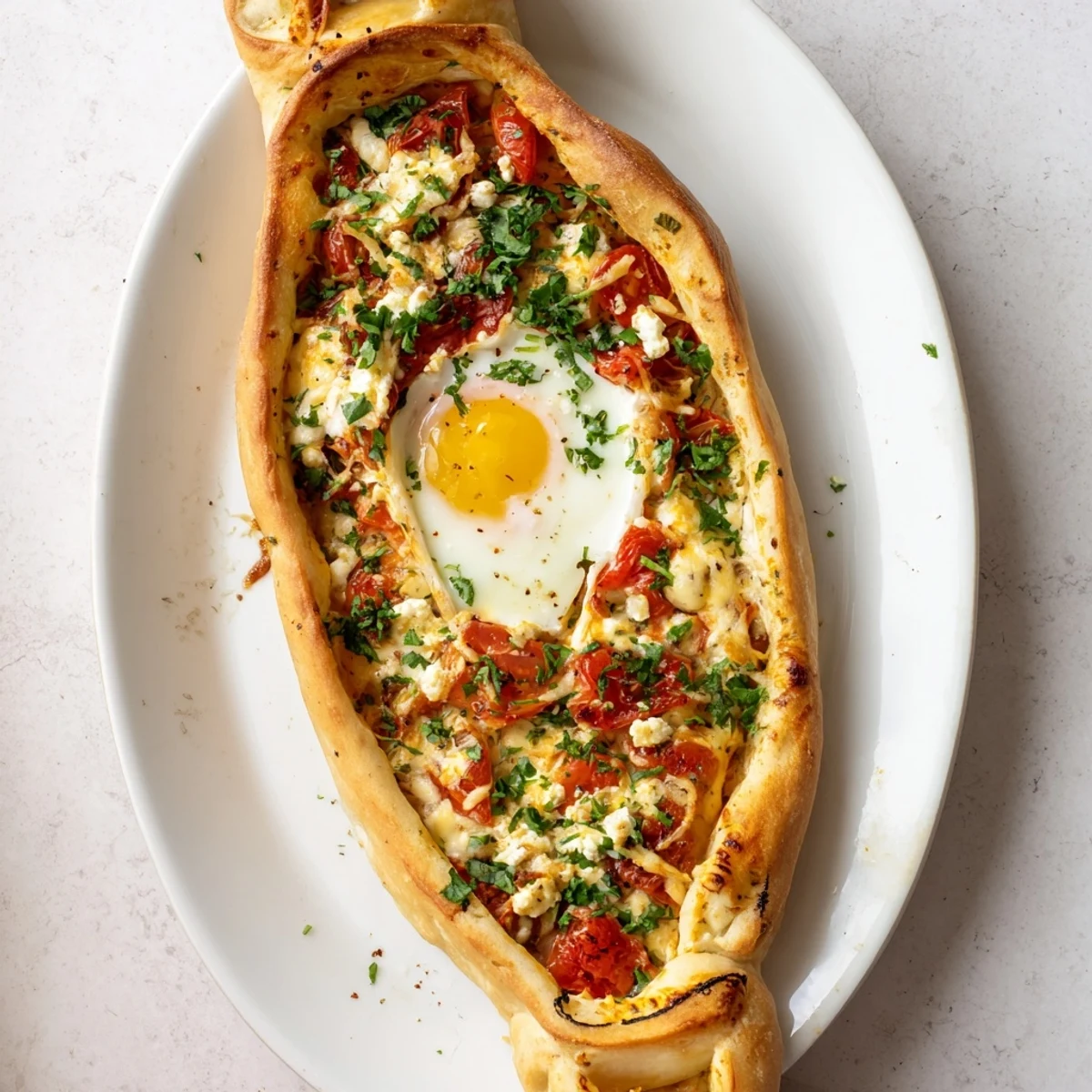
 There's something so satisfying about breaking that yolk yourself and watching it run over everything. Hope these become a regular in your kitchen too.
Recipe FAQ
- → What makes Turkish pide different from pizza?
-
Pide features a distinctive boat shape with folded and pinched edges, creating a natural bowl for the toppings. The dough is typically softer and more bread-like than pizza crust, and toppings are added before the final baking stage, including cracking raw eggs directly onto the partially baked base.
- → Can I prepare the dough ahead of time?
-
Yes, the dough can be prepared and refrigerated for up to 24 hours before shaping and baking. Let it come to room temperature for 30 minutes before rolling out. You can also freeze the dough for up to 3 months—thaw overnight in the refrigerator.
- → How do I know when the eggs are properly cooked?
-
The egg whites should appear completely opaque and set, while the yolks remain slightly jiggly when you gently shake the baking sheet. This typically takes 7-10 minutes after adding the eggs. For firmer yolks, extend the baking time by 2-3 minutes.
- → What other fillings work well in pide?
-
Popular alternatives include spiced ground lamb with onions, spinach and feta, sucuk (Turkish sausage) with cheese, or a simple combination of olive oil, garlic, and herbs. The cheese and tomato base in this recipe also pairs beautifully with sautéed mushrooms or roasted peppers.
- → Why is the dough brushed with butter?
-
Butter adds richness and helps achieve a beautiful golden-brown color on the crust edges. Brushing before baking promotes even browning, while a final brush after baking adds extra flavor and a glossy finish. You can substitute olive oil if preferred.
- → What should I serve with Turkish pide?
-
Traditional accompaniments include shepherd's salad, pickled vegetables, or a simple cucumber and tomato salad. Yogurt-based dips like cacık also complement the warm, savory flavors. For a complete meal, serve with lemon wedges for squeezing over the top.