
 Pin It
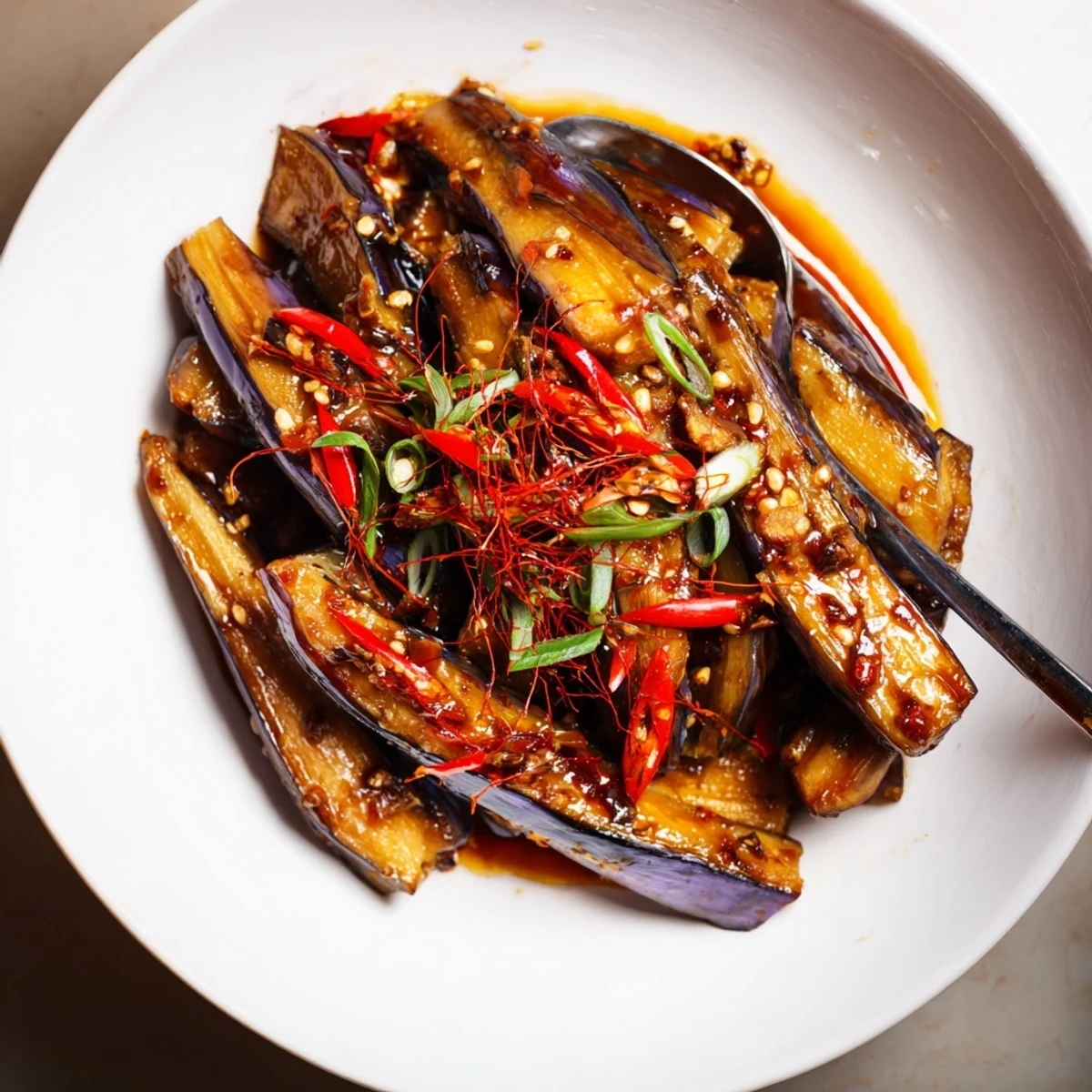
 Lightly salt aubergine batons to draw out moisture, then pan-fry until golden. Saute ginger, garlic and doubanjiang in reserved oil to bloom aromas, return aubergine and add soy, dark soy, rice vinegar and stock. Simmer until very tender, thicken with a cornstarch slurry and finish with sesame oil and spring onions. Serve with jasmine rice; add Sichuan peppercorns for numbing heat or toasted peanuts for crunch.
As soon as the sizzling sound of aubergine hitting hot oil reaches my ears, I know dinner is headed in the right direction. The spicy perfume of Sichuan chili paste swirling with ginger and garlic has a way of waking up the whole kitchen, making it impossible not to hover by the stove. Cooking this dish always reminds me how bold flavors can turn something humble into something celebratory.
The first time I served this was on a rainy Thursday night, my roommate and I both shivering from a soggy bike ride home. One bite of silky aubergine under a blanket of fiery sauce, and the bad weather felt almost worth it. We laughed about accidentally staining our shirts with red oil and kept spooning on more rice just to mop up every bit.
Ingredients
- Aubergines (eggplants): Go for firm, glossy ones—they'll fry up beautifully and soak up all the bold flavors without becoming mushy.
- Doubanjiang (Sichuan bean chili paste): Don’t sub this unless you must, because it brings heat, funk, and that signature tingle; a little goes a long way.
- Soy sauce & Dark soy sauce: The two together give both salt and a deep caramel undertone—taste and adjust for the brand you use, they can vary.
- Sugar: Just a hint mellows the fire and rounds out the sauce—you’ll know if you forget it.
- Ginger, garlic, spring onions, red chili: These aromatics are the backbone—freshness here brings all the difference.
- Rice vinegar: Brightens the sauce—if you skip it, the dish feels flat.
- Cornstarch slurry: Thickens the sauce right at the end, so it clings to every piece.
- Vegetable oil & sesame oil: Use enough oil so the aubergine becomes meltingly soft; a finishing drizzle of sesame oil gives that irresistible aroma.
- Salt: Start with a sprinkle at the beginning, then taste before the finish—aubergines are thirsty for seasoning.
Instructions
- Prep the aubergines:
- Scatter salt over the chunky batons and let them rest in a colander—you’ll see drops of water bead up, helping keep the finished dish tender not mushy.
- Get the oil hot:
- The sizzle is your green light; give the aubergines room in the pan so they brown and soften on all sides, and resist the urge to poke them too much.
- Bring on the aromatics:
- With only a bit of oil left in the wok, stir fry the ginger, garlic, and chili—pause to inhale, it should smell like anticipation.
- Sauce magic:
- Add doubanjiang and stir until you see red oil forming—this step breathes fire and flavor all through the dish.
- Simmer for depth:
- Return aubergines and pour in both soy sauces, rice vinegar, sugar, and stock; stir gently, then cover and let everything meld on a gentle flame.
- Thicken and finish:
- Mix cornstarch with water, pour it in, and watch the sauce transform—finish with sesame oil, then scatter fresh spring onions before scooping it all out.
 Pin It
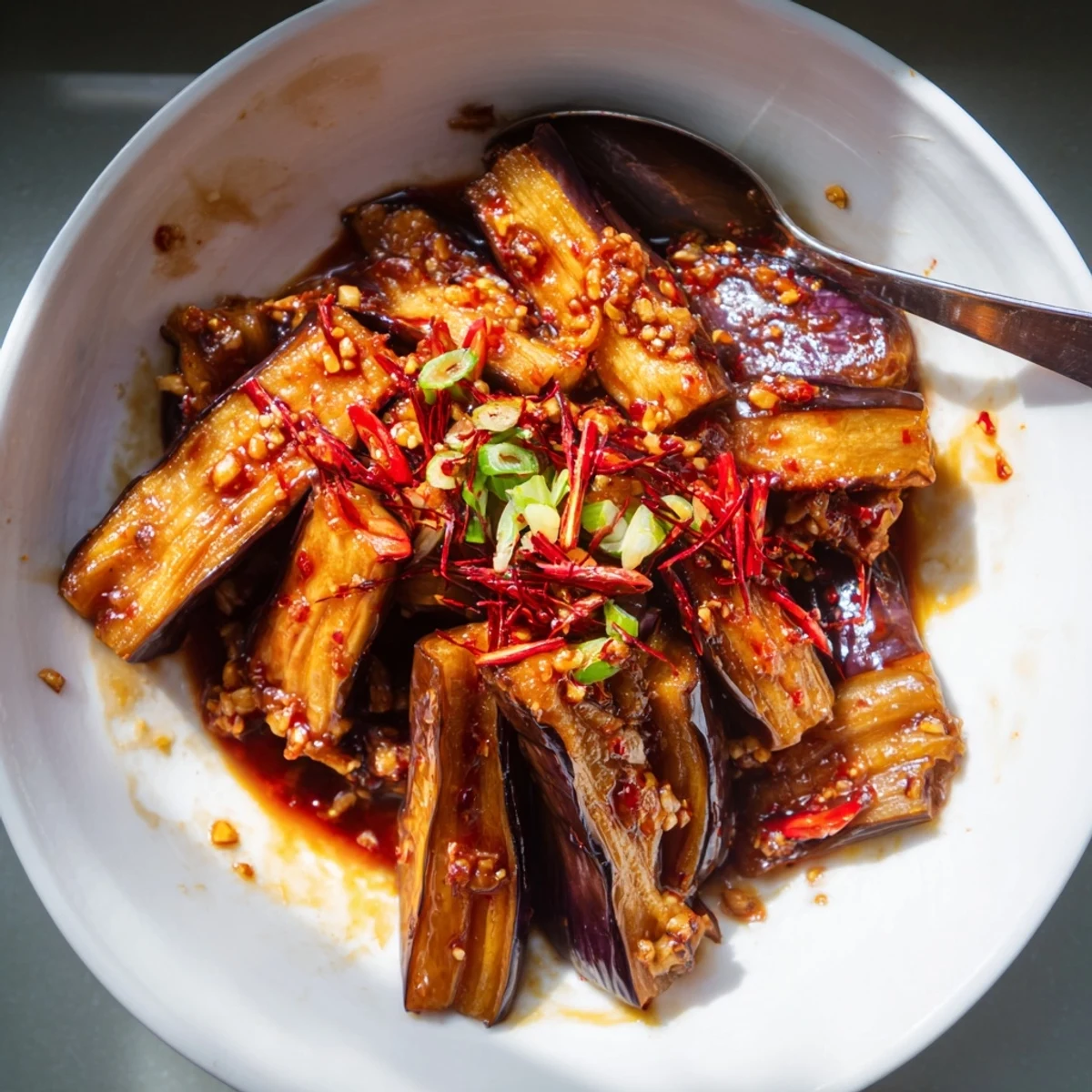
 I’ll never forget making this for my cousin, who always claimed to hate aubergine—she ended up scraping the plate, eyes wide in surprise. That night, we nearly argued over the last glossy bite and agreed to make it again the next week, doubling the recipe.
Choosing and Handling Aubergines
When selecting aubergines, look for ones that feel heavy for their size and have smooth, unblemished skin. Cutting them into thick batons means you get just the right balance of creamy inside and crispy edges, and I find that patting them very dry before frying helps them brown beautifully.
The Sauce: Building Layers of Flavor
It’s tempting to rush the sauce, but giving doubanjiang a slow minute in the oil unlocks so much more depth. Stirring in both light and dark soy gives the sauce an unbeatable color and savoriness—don’t skip either if you can help it.
Serving Tricks That Elevate Everything
When I want to make this feel special, I pile it onto a platter, shower on extra spring onions, and sometimes add toasted peanuts or a swirl of hot sesame oil. The dish pairs so well with plain steamed rice or chewy noodles that you’ll want plenty on hand.
- If you like extra heat, sprinkle on ground Sichuan peppercorn right at the end.
- Leftovers taste fantastic tucked into a bao or spooned over congee.
- Garnish with fresh herbs like coriander for a fresh twist.
 Pin It
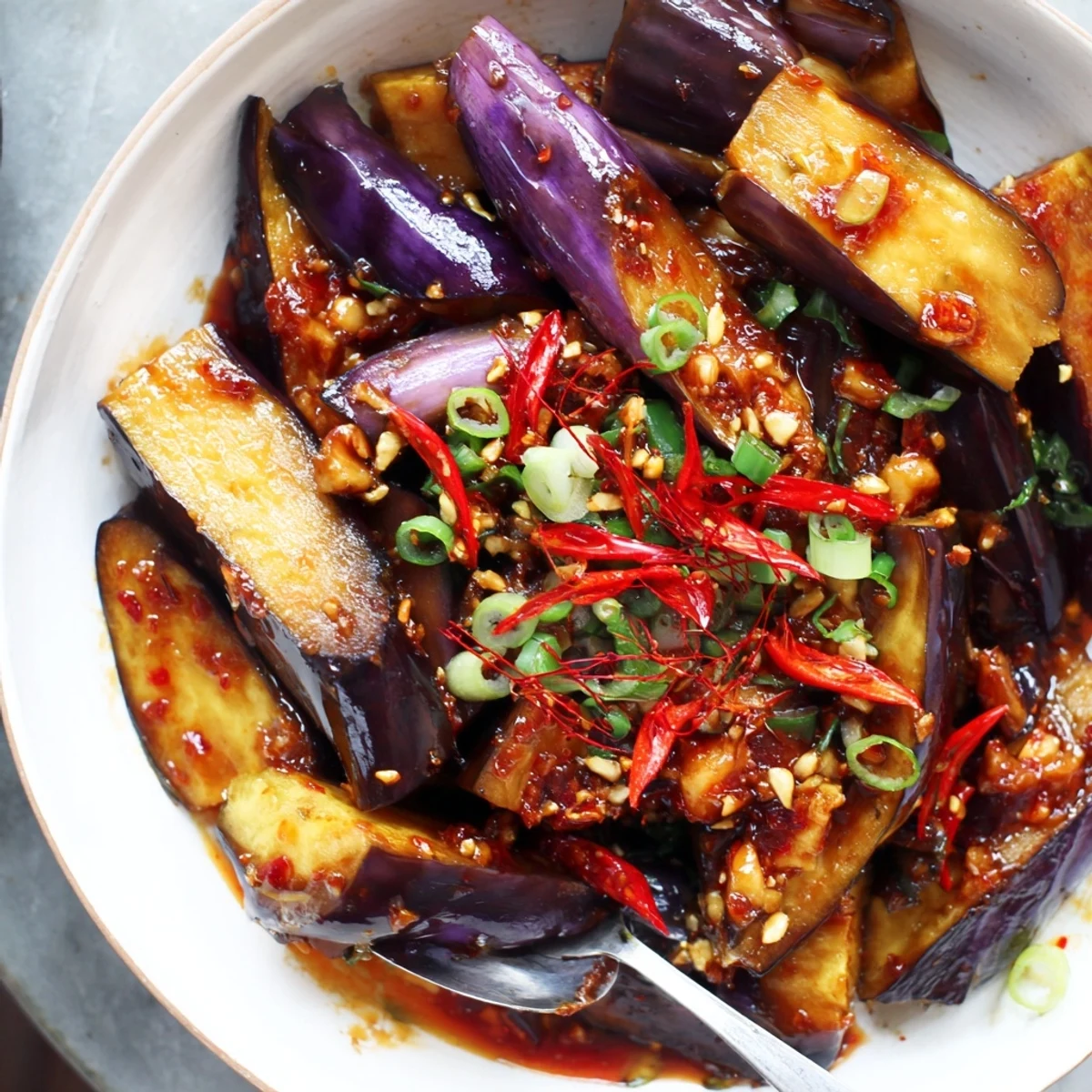
 Sichuan braised aubergines have a way of making an ordinary weeknight feel spirited. The blend of heat, richness, and tender vegetables might even win over your most cautious dinner guest.
Recipe FAQ
- → How do I prevent aubergine from becoming greasy?
-
Salt and rest the aubergine to draw out moisture, rinse and pat dry, then fry in batches over medium-high heat. Drain on paper towels or roast to reduce oil absorption before adding the sauce.
- → Can I bake or roast instead of frying?
-
Yes. Toss aubergine batons lightly with oil and roast at 220°C (425°F) until golden and tender, then combine with the sauce in a pan and finish gently to meld flavors and thicken.
- → What can substitute doubanjiang if unavailable?
-
Use chili garlic sauce or a blend of miso and chili paste for umami and heat; the flavor will differ, so adjust soy, sugar and vinegar to balance saltiness and acidity.
- → How do I control the spice level?
-
Reduce the amount of doubanjiang, remove seeds from fresh chilies, or omit Sichuan peppercorns. Add chili gradually and taste as you cook to reach the desired heat.
- → How should I thicken the sauce without lumps?
-
Mix cornstarch with cold water to make a smooth slurry, then stir it into the simmering sauce off high heat and cook briefly until glossy; avoid boiling too long to prevent pastiness.
- → What are good serving and garnish ideas?
-
Serve with steamed jasmine rice or noodles, garnish with sliced spring onions and a drizzle of sesame oil. For texture add toasted peanuts or extra chili for more heat.