
 Pin It
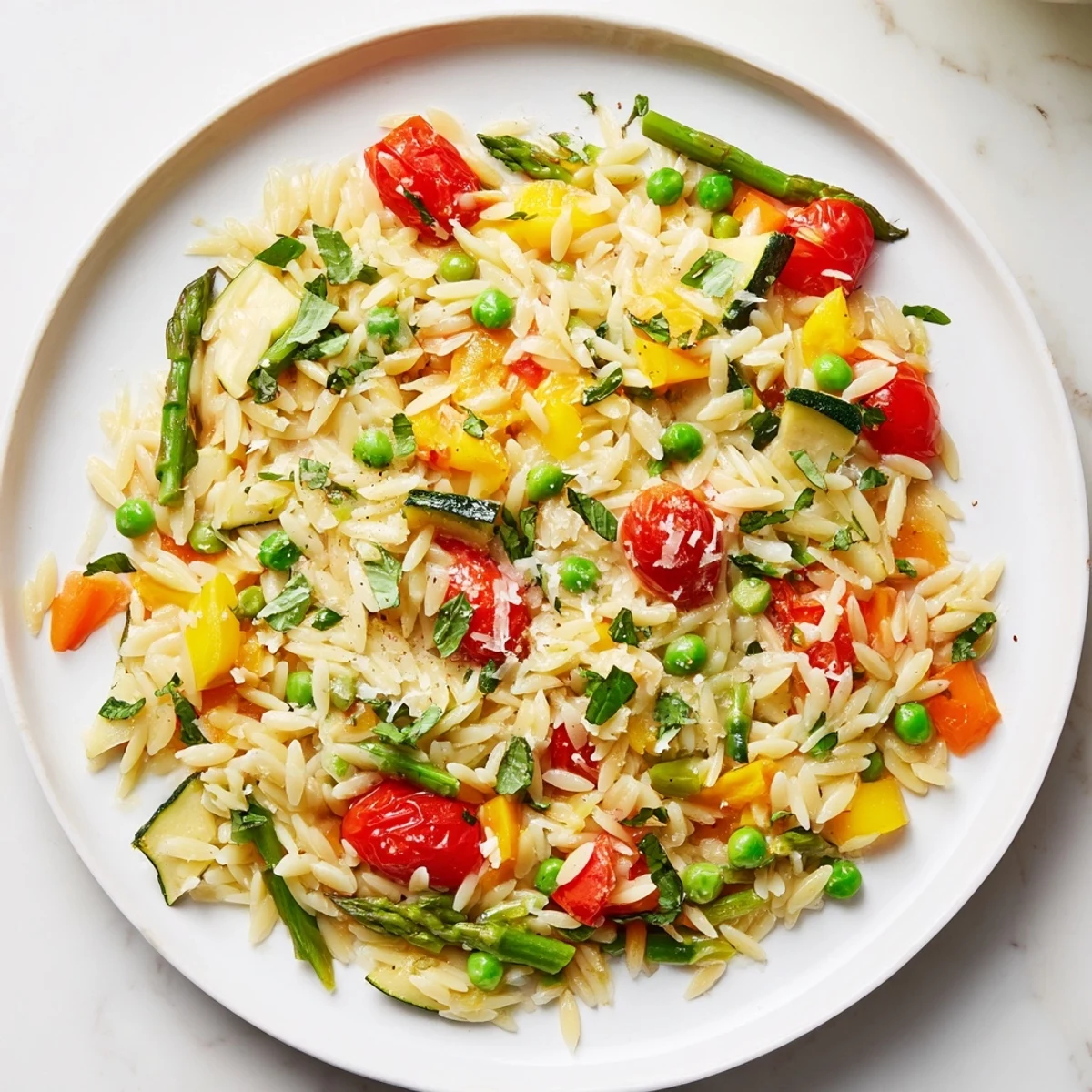
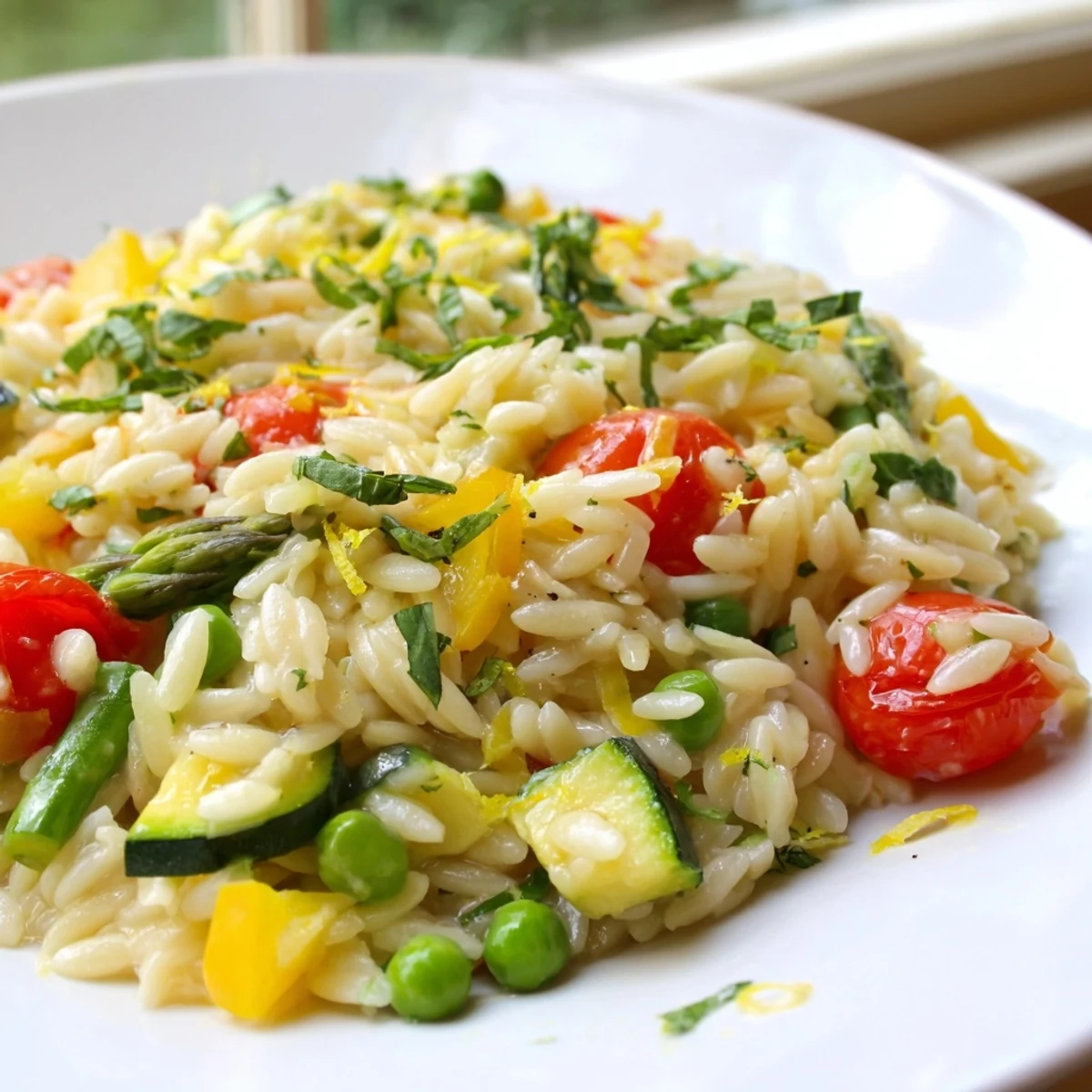
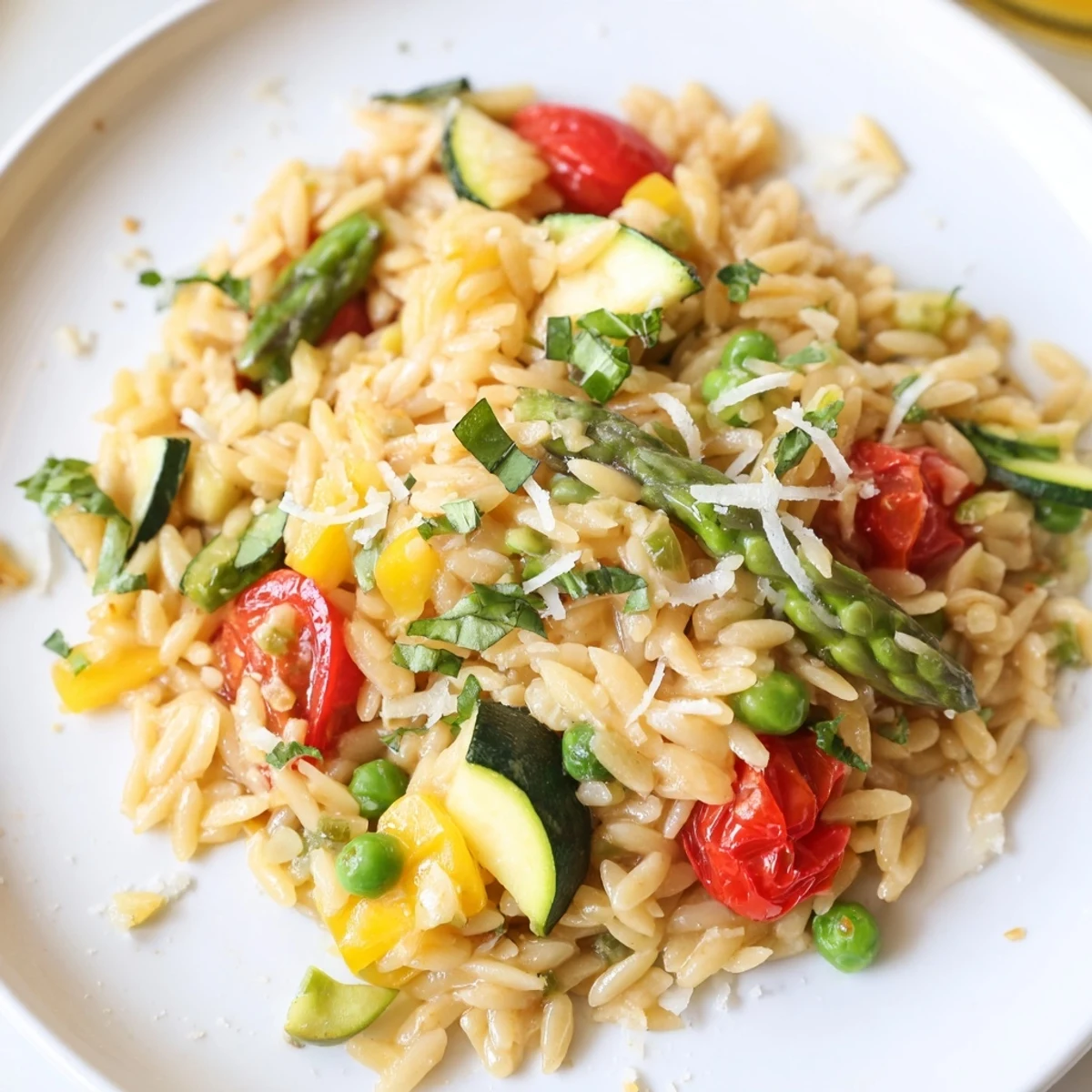
 This colorful Italian-inspired dish combines small rice-shaped pasta with a medley of fresh spring vegetables. The orzo cooks until perfectly tender, then gets tossed with crisp-tender zucchini, sweet cherry tomatoes, bell peppers, asparagus, and peas. A bright sauce made with olive oil, garlic, lemon zest and juice, and grated Parmesan ties everything together with a creamy finish. Fresh basil and parsley add the final aromatic touch.
The dish comes together in just 35 minutes, making it perfect for weeknight dinners or casual entertaining. The vegetables maintain their vibrant color and slight crunch, while the pasta absorbs the flavors of the light sauce. Serve with extra Parmesan and a glass of crisp white wine.
The first time I made orzo primavera, I was rushing to feed unexpected guests on a Tuesday evening. I nearly burned the garlic while chatting, but somehow the dish came together beautifully anyway. Now it's become my go-to when I want something that looks impressive but actually comes together in under half an hour.
Last spring, my neighbor dropped by while I was making this and ended up staying for dinner. She kept asking what made the sauce so creamy without any heavy cream, and I had to show her my trick of using the starchy pasta water with lemon and Parmesan. Now she makes it every week for her family too.
Ingredients
- 250 g orzo pasta: This rice shaped pasta is perfect because it grabs onto the sauce and vegetables better than regular pasta
- 1.5 L water: You will want to save some of this starchy cooking water it is the secret to creating that silky sauce without using cream
- 1 tsp salt: Salting your pasta water is non negotiable it is the only chance to season the orzo from the inside out
- 1 small zucchini, diced: Try to cut the pieces roughly the same size as the orzo so every spoonful has a bit of everything
- 1 cup cherry tomatoes, halved: They burst slightly when cooked and release their juices into the sauce creating little pockets of sweetness
- 1 yellow bell pepper, diced: The sweetness here balances the bright lemon and adds beautiful color to the dish
- 1 cup asparagus, cut into 2 cm pieces: Spring asparagus works best here but you can use green beans in winter when asparagus is out of season
- 1 cup fresh or frozen peas: Even frozen peas work wonderfully here and they add these little pops of sweetness throughout
- 2 tbsp olive oil: This forms the base of your sauce so use a good quality one that you enjoy the taste of
- 3 cloves garlic, minced: Do not let this brown or it will turn bitter you just want it fragrant and pale gold
- 1/2 cup grated Parmesan cheese: Freshly grated makes such a difference here pre grated cheese does not melt into the sauce the same way
- Zest of 1 lemon: Use a microplane if you have one to get just the bright yellow part without any bitter white pith
- 2 tbsp fresh lemon juice: This brightens up the whole dish and cuts through the richness of the Parmesan
- 2 tbsp chopped fresh basil: Add this at the very end so it stays bright and fragrant
- 2 tbsp chopped fresh parsley: Italian parsley has a slightly peppery bite that works really well with the sweet vegetables
Instructions
- Cook the orzo:
- Bring the water and salt to a rolling boil in your largest pot. Cook the orzo until it is al dente usually about 8 minutes then drain but remember to save that half cup of pasta water before you pour it out.
- Start the aromatics:
- Heat olive oil in a large skillet over medium heat. Add the garlic and let it sizzle for just one minute until you can smell it but do not let it turn brown or bitter.
- Cook the vegetables:
- Add all the vegetables to the skillet at once. Stir occasionally for 4 to 5 minutes until they are just tender but still have some bite to them.
- Bring it all together:
- Add the drained orzo to the skillet with the vegetables. Pour in that reserved pasta water then add the Parmesan lemon zest and lemon juice.
- Finish and season:
- Stir everything together until the sauce coats each grain of orzo and looks creamy. Season with salt and pepper then remove from heat.
- Add the finishing touches:
- Fold in the basil and parsley just before serving. Top with extra Parmesan if you want and maybe some more herbs.
 Pin It
 This recipe became a staple in our house during particularly busy months when we wanted something nourishing but did not have hours to spend cooking. Something about the bright vegetables and fresh herbs makes even a regular Tuesday dinner feel a bit special.
Make It Your Own
I have learned that you can really swap in whatever vegetables look good at the market. Sometimes I use fresh corn in summer or butternut squash in fall when I want something more comforting.
Perfect Pairings
A crisp Pinot Grigio cuts through the richness while a simple green salad with vinaigrette balances the meal. Some grilled bread for soaking up any extra sauce never hurts either.
Storage & Prep Ahead
This reheats beautifully for lunch the next day though the vegetables will soften slightly. You can prep all your vegetables in advance and store them in the fridge.
- Cut everything the night before and keep it in sealed containers
- The sauce actually tastes better after the flavors have had time to meld
- Add a splash of water when reheating to loosen it up again
 Pin It
 Hope this brings a little brightness to your table just as it has to mine so many times over the years.
Recipe FAQ
- → Can I make this dish ahead of time?
-
Yes, you can prepare the vegetables and sauce components up to a day in advance. Store them separately in the refrigerator and combine with freshly cooked orzo when ready to serve. The dish reheats well with a splash of water or olive oil.
- → What vegetables work best in orzo primavera?
-
Spring vegetables shine in this dish. Asparagus, peas, zucchini, and cherry tomatoes are classic choices. You can also add snap peas, baby spinach, or artichoke hearts. Adjust cooking times based on the vegetables you choose.
- → Is orzo pasta gluten-free?
-
Traditional orzo is made from wheat semolina and contains gluten. For a gluten-free version, look for orzo made from rice, corn, or quinoa. The cooking method remains the same regardless of the pasta type used.
- → How do I prevent the orzo from becoming mushy?
-
Cook orzo until al dente according to package directions, usually about 8-10 minutes. Drain immediately and rinse with cool water to stop the cooking process. The reserved pasta water helps create a silky sauce without making the dish gummy.
- → Can I add protein to make it more substantial?
-
Absolutely. Grilled chicken, sautéed shrimp, or white beans complement the flavors beautifully. Add cooked protein during the final tossing step so it heats through without overcooking. Chickpeas also work well for a vegetarian protein boost.
- → What type of Parmesan works best?
-
Freshly grated Parmigiano-Reggiano offers the best flavor and melting properties. Pre-grated cheese often contains anti-caking agents that prevent smooth melting. A microplane or fine grater helps the cheese incorporate evenly into the sauce.