
 Pin It
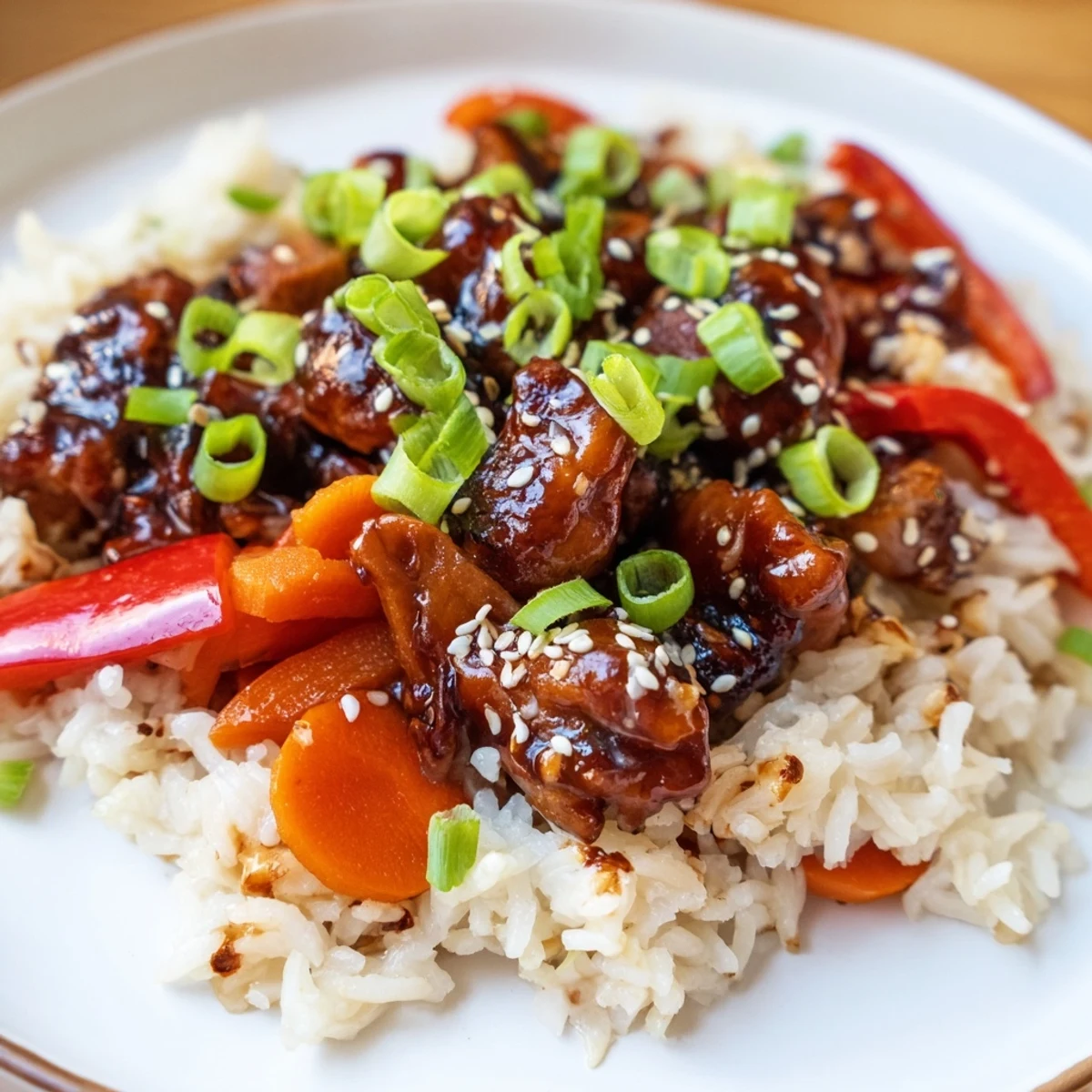
 This one-pan meal combines tender chicken thighs marinated in a savory Korean BBQ sauce with aromatic jasmine rice, colorful vegetables, and a touch of sweetness from honey. Everything cooks together in a single skillet, letting the flavors meld while the rice absorbs all those delicious juices. Ready in under an hour with minimal cleanup required.
The first time I made this Korean BBQ chicken and rice, my kitchen filled with this incredible sweet and savory aroma that had my roommate wandering in asking what restaurant I'd ordered from. I've been tweaking it ever since, and honestly, it's become one of those meals I can throw together on a Tuesday that tastes like something I'd slave over on Sunday. The way the rice soaks up all that marinade while it steams with the chicken—it's pure magic.
Last winter, my sister was recovering from surgery and I brought over a batch of this. She called me two days later asking for the recipe because her husband—who normally survives on frozen pizzas—had already made it twice. There's something about the combination of tender chicken, that sticky-sweet glaze, and the way the vegetables get just soft enough while still keeping some crunch that makes people instantly comfortable.
Ingredients
- 500 g boneless skinless chicken thighs: Thighs stay juicier than breast, and cutting them into bites means more surface area for that marinade to work its magic
- 4 tbsp Korean BBQ sauce: This is your flavor powerhouse—bulgogi sauce gives you that perfect balance of sweet and savory without measuring a dozen spices
- 2 tbsp soy sauce: Adds that deep umami note and saltiness that ties everything together
- 1 tbsp sesame oil: Don't skip this—it's what gives the dish that unmistakable Korean restaurant aroma
- 1 tbsp honey: Cuts through the soy and helps the chicken get those gorgeous caramelized edges
- 2 cloves garlic minced: Fresh garlic makes a huge difference here—jarred stuff just doesn't have the same punch
- 1 tsp grated fresh ginger: Use a microplane if you have one—you want it almost dissolved into the marinade
- 1 small onion diced: They'll soften and sweeten as everything cooks together
- 1 red bell pepper sliced: Adds color and a slight sweetness that plays beautifully with the BBQ sauce
- 1 cup carrots julienned or thinly sliced: Keep them thin so they cook through in the same time as the rice
- 1 cup jasmine or short-grain white rice rinsed: Jasmine gives you fluffy separate grains, but short-grain will be slightly stickier—both work beautifully
- 2 cups low-sodium chicken broth or water: Low-sodium is key since your marinade is already pretty salty
- 2 green onions sliced: Fresh pop of color and oniony bite right before serving
- 1 tbsp toasted sesame seeds: These add a nutty crunch and make everything look restaurant-worthy
- Kimchi or pickled vegetables: Not required but highly recommended—the acidity cuts through the rich flavors perfectly
Instructions
- Marinate the chicken:
- Combine chicken, Korean BBQ sauce, soy sauce, sesame oil, honey, garlic, and ginger in a medium bowl. Let it sit for at least 10 minutes while you prep your vegetables—those flavors need a moment to become friends.
- Sear the chicken:
- Heat a splash of oil in a large deep nonstick skillet over medium-high heat. Add the marinated chicken and cook for 3-4 minutes until it's got some nice brown color on the outside—don't crowd the pan or it'll steam instead of sear.
- Add your vegetables:
- Toss in the onion, bell pepper, and carrots. Sauté for 2-3 minutes until they're starting to soften but still have some snap to them.
- Coat the rice:
- Stir in the rinsed rice and mix everything thoroughly until each grain is glossy with that flavorful marinade. This step is what makes the rice taste like anything but plain.
- Simmer it all together:
- Pour in the chicken broth and bring it to a bubble. Reduce heat to low, cover tightly, and let it simmer for 20-25 minutes. Resist the urge to peek—steam is doing the work here.
- Let it rest and fluff:
- Remove from heat and keep it covered for 5 minutes—this redistributes the moisture so every bite is perfectly tender. Fluff gently with a fork and top with green onions and sesame seeds before serving.
 Pin It
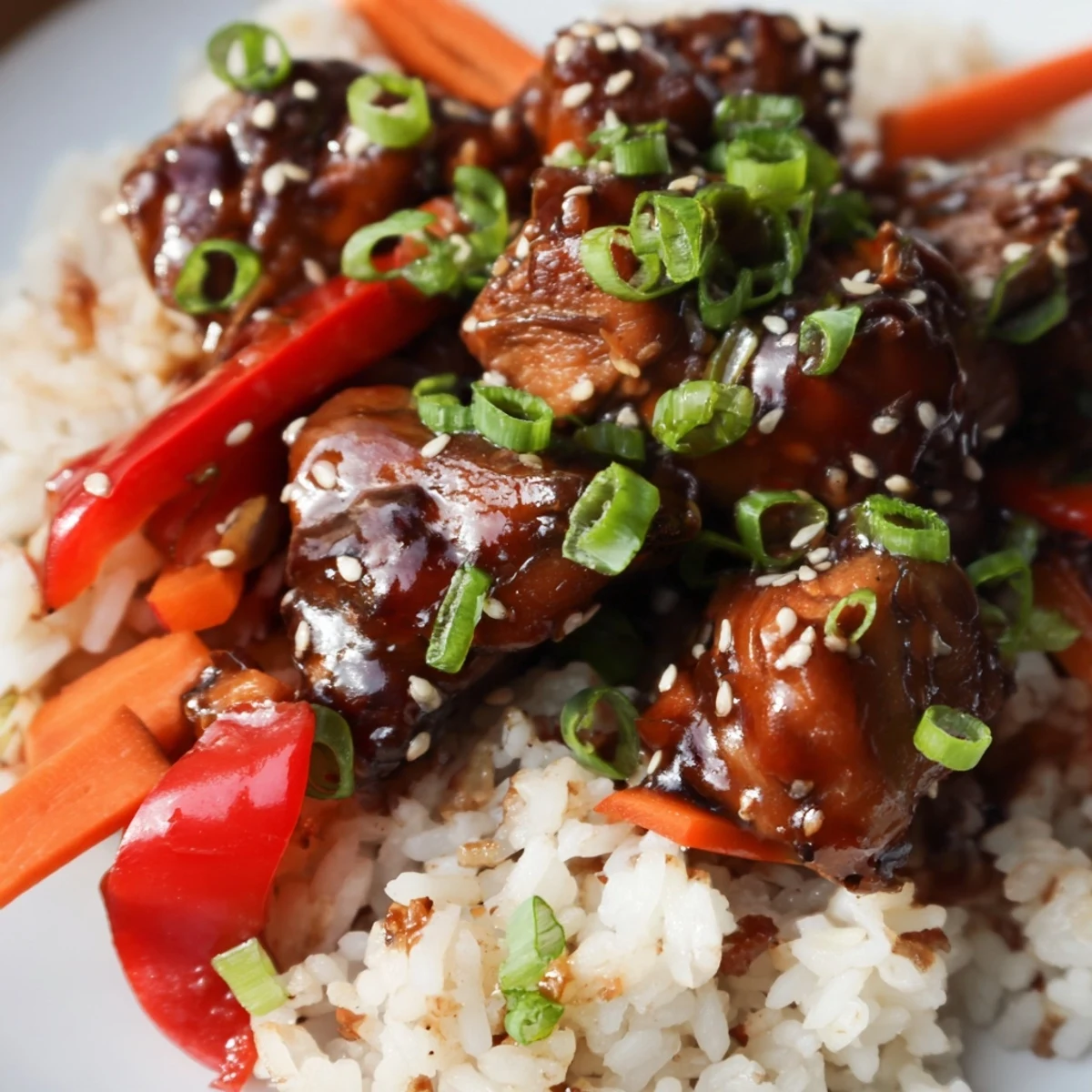
 This recipe became my go-to for new parents and anyone who needs a meal that feels like a hug. Last month, I made it for my neighbor who'd just had her third baby, and she texted me at midnight saying she was standing over the stove eating it cold from the pan because she couldn't wait for lunch the next day. That's when you know a recipe's a keeper.
Making It Your Own
Sometimes I throw in baby spinach or snap peas during the last 5 minutes of cooking just to sneak in some greens. The spinach wilts right into the rice and pick up all that gorgeous sauce. You can also swap the chicken for pork or even tofu—just adjust your cooking time so the protein doesn't dry out.
The Spice Factor
If you like heat, add a tablespoon of gochujang to the marinade. It adds this deep, fermented spiciness that builds slowly instead of hitting you all at once. Start small though—you can always add more at the table, but you can't take it back once it's in there.
Planning Ahead
This meal actually tastes better the next day, which is rare for rice dishes. The flavors get more intense overnight, and the rice absorbs even more of that sauce. I always make a double batch and portion it out for lunch—that first bite at work feels like such a treat.
- Leftovers reheat beautifully with a splash of water to loosen everything up
- The marinade can be prepped the night before—just keep the chicken separate until you're ready to cook
- If meal prepping, slightly undercook the rice since it'll continue absorbing liquid as it sits
 Pin It
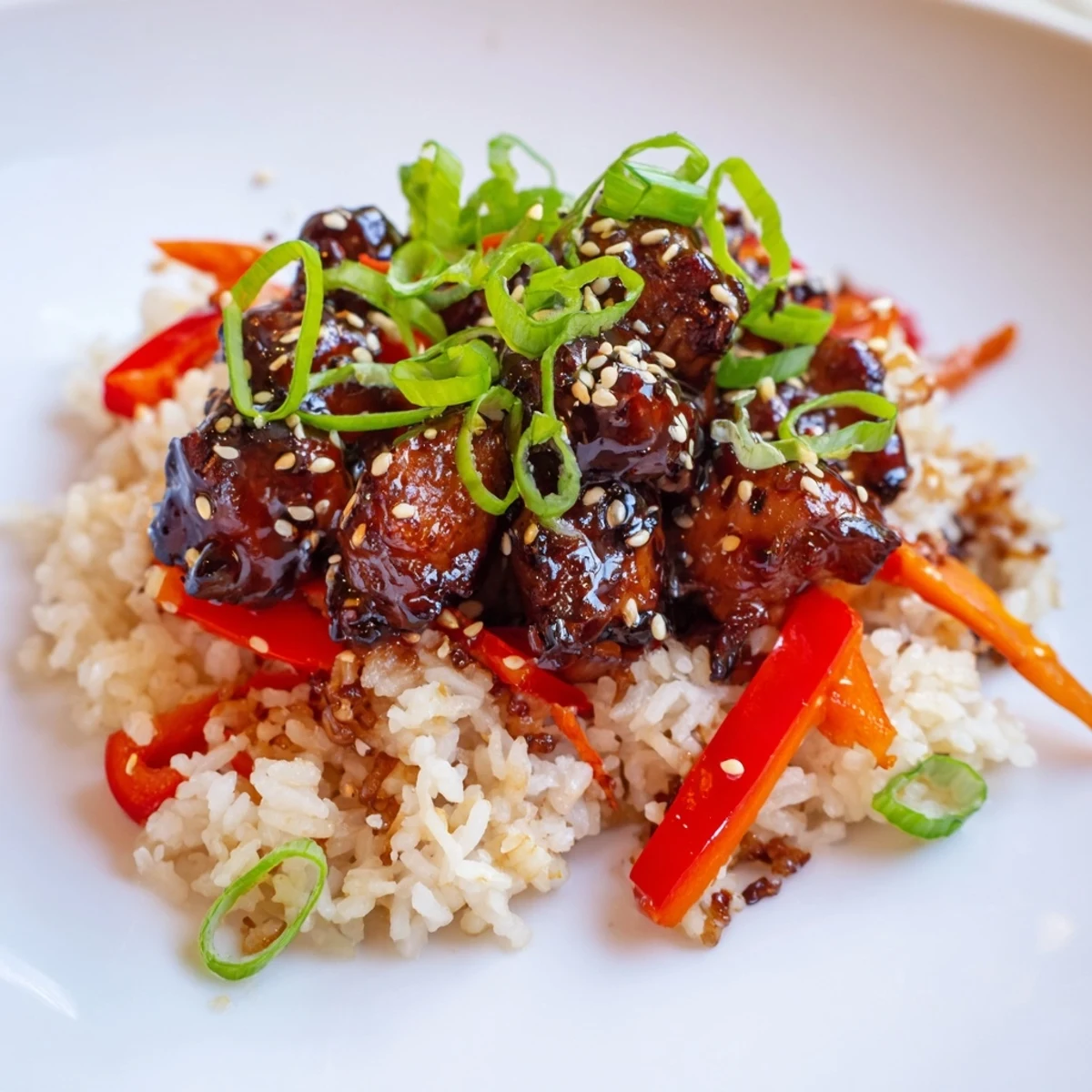
 Grab a fork and find a cozy spot—this is the kind of meal that makes you slow down and actually enjoy what you're eating.
Recipe FAQ
- → Can I use chicken breast instead of thighs?
-
Yes, chicken breast works well though it may be slightly less tender. Adjust cooking time to avoid drying out the meat.
- → What can I substitute for Korean BBQ sauce?
-
Combine soy sauce, brown sugar, garlic, and sesame oil as a homemade alternative. Gochujang adds authentic heat and depth.
- → Is this dish gluten-free?
-
Use tamari instead of soy sauce and verify your Korean BBQ sauce contains no wheat or barley. Most other ingredients are naturally gluten-free.
- → Can I make this in advance?
-
Yes, this reheats beautifully. Store in an airtight container for up to 3 days. Add a splash of water when reheating to refresh the rice.
- → What vegetables work best in this skillet?
-
Bell peppers, carrots, onions, snap peas, broccoli, or zucchini all complement the Korean flavors. Adjust based on what's in season.
- → How spicy is this dish?
-
Mild to medium heat as written. Add gochujang or red pepper flakes to the marinade if you prefer more spice.