
 Pin It
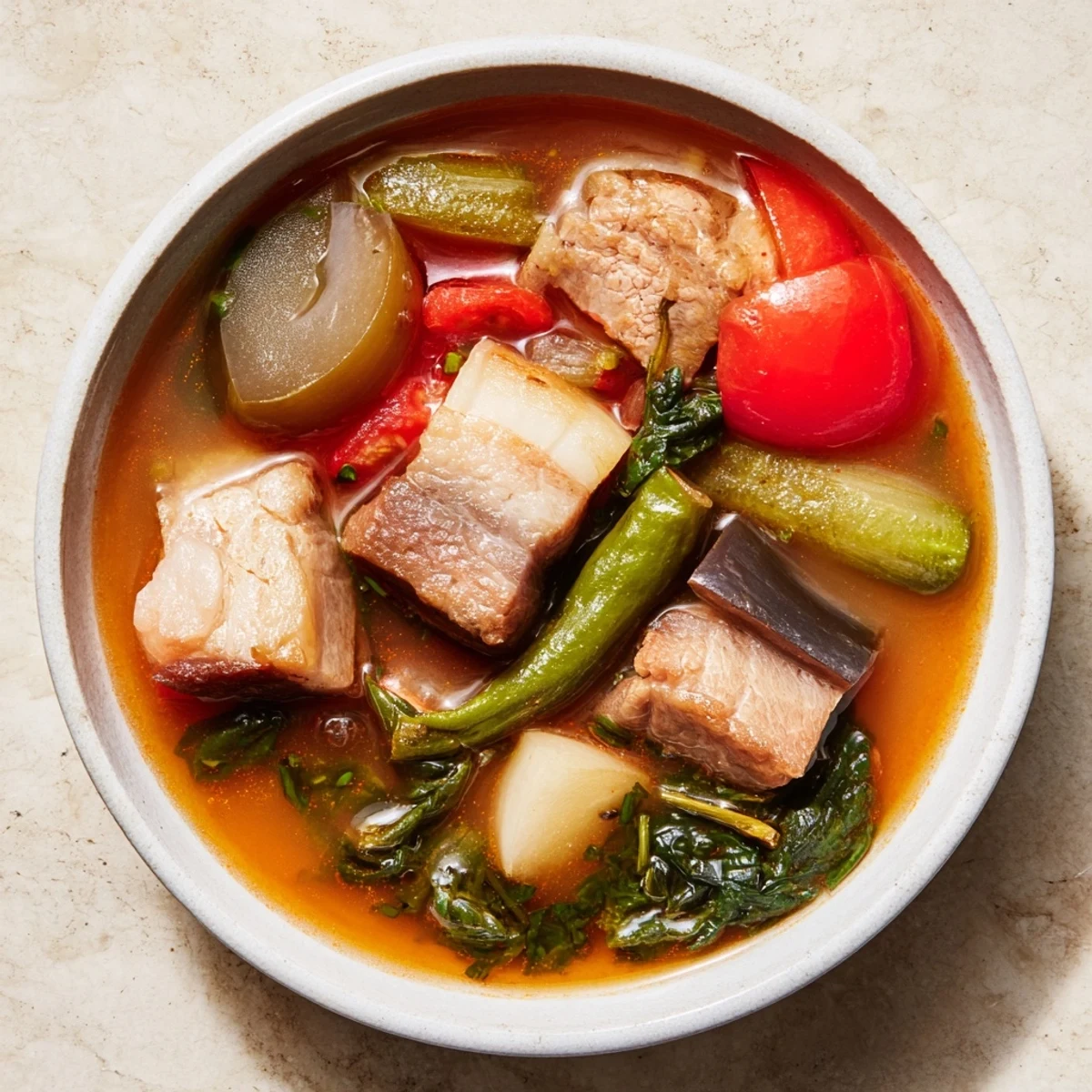
 This comforting Filipino classic features a tangy tamarind-based broth that perfectly balances savory and sour flavors. The soup brings together tender pork chunks with an array of colorful vegetables including tomatoes, daikon radish, eggplant, string beans, and leafy greens. What makes Sinigang special is its distinctive sourness, traditionally achieved through tamarind but sometimes using guava, calamansi, or other sour fruits. The dish is incredibly versatile - you can use pork, beef, shrimp, or fish as your protein, and adjust the vegetables based on what's available. It's typically served steaming hot over fluffy white rice, making it a complete and satisfying meal that's especially beloved during rainy season.
The rain was coming down in sheets that Sunday, the kind of weather that makes you crave something warm and sour. My grandmother's kitchen always smelled like tamarind on days like this, and I found myself reaching for the phone to ask for her sinigang ratio. She laughed and told me she never measures anymore, just tastes until the broth makes her mouth pucker just right. That conversation sent me to the Asian market with a mission, and now this soup has become my own rainy day tradition.
Last winter, my friend Marco came over feeling under the weather and I made a massive pot of this soup. He took one sip and sat up straighter, declaring it better than any medicine his doctor could prescribe. Now whenever anyone mentions feeling off, he immediately suggests 'that magic Filipino soup' and demands I make enough for leftovers. There's something about watching someone's face light up when that sour broth hits their tongue that makes all the vegetable chopping worth it.
Ingredients
- 1 kg pork belly or pork ribs, cut into chunks: Pork belly adds richness while ribs bring flavor, but either will work beautifully in this soup
- 2 medium tomatoes, quartered: These break down and add depth to the broth, so dont skip them even if you're not a tomato person
- 1 large onion, peeled and quartered: Red or white both work, the onion becomes sweet and tender as it simmers
- 1 daikon radish, peeled and sliced: This absorbs the sour broth and becomes one of the best parts of the whole bowl
- 10 string beans, trimmed and cut into 2-inch pieces: They keep their crunch even after simmering, adding texture to every spoonful
- 1 eggplant, sliced: Use Asian eggplant if you can find it, it holds together better in hot broth
- 2 cups spinach leaves or kangkong: Add these at the very end so they stay bright and dont turn mushy
- 2 long green chili peppers: Leave them whole if you want just a hint of heat, or slice them if you're brave
- 1 packet tamarind soup base mix: Fresh tamarind is wonderful but this packet is what makes weeknight sinigang possible
- 2 tbsp fish sauce: This adds umami and salt, but add it gradually and taste as you go
- 1 tsp salt, or to taste: The fish sauce might be enough, so always taste before adding more salt
- ½ tsp freshly ground black pepper: Fresh ground makes a noticeable difference here
- 6 cups water: You might need a splash more as it simmers, so keep some hot water nearby
Instructions
- Start the pork:
- Bring your water to a rolling boil in a large pot, then add the pork chunks and skim off any foam that rises to the top for a clearer broth
- Build the base:
- Add your quartered tomatoes and onion, then lower the heat and let everything simmer gently for about 20 minutes until the pork is starting to get tender
- Add hearty vegetables:
- Toss in the daikon radish slices and cook for another 10 minutes, they need this extra time to soften and absorb flavor
- Add remaining vegetables:
- Drop in the eggplant, string beans, and whole chili peppers, then let the soup simmer for 5 more minutes
- Create the sour broth:
- Stir in the tamarind soup base until completely dissolved, or if using fresh tamarind, mash the pulp in a little water and strain it into the pot
- Season perfectly:
- Add the fish sauce, salt, and pepper, but start with less than you think and keep tasting until the balance of sour and salty feels right
- Finish with greens:
- Drop in the spinach or kangkong leaves and simmer for just 2 to 3 minutes until they're wilted but still bright green
- Serve immediately:
- Ladle the soup hot over steamed white rice, making sure each bowl gets some of everything
 Pin It
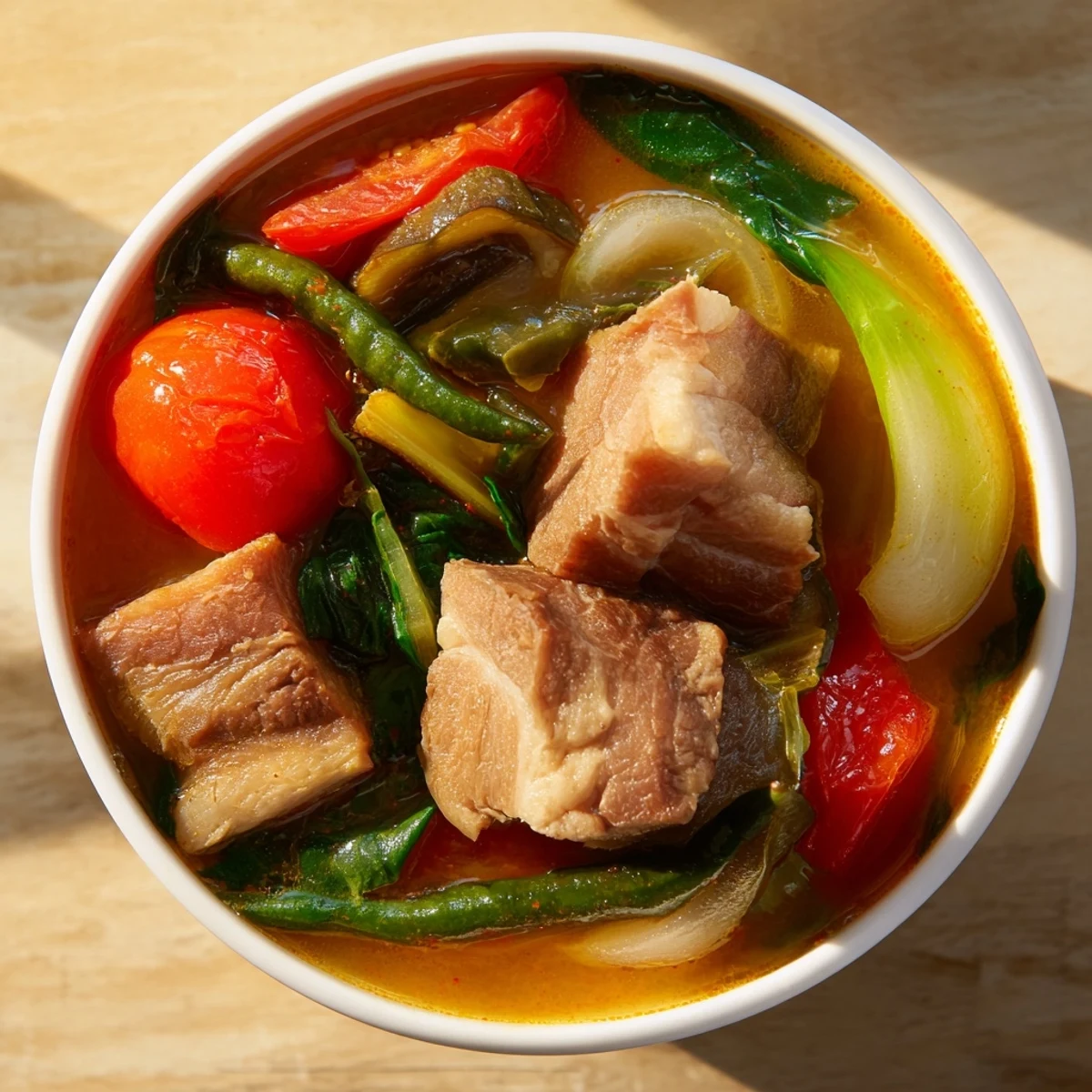
 My first attempt at sinigang years ago ended up so sour my brother couldn't finish his bowl, and I learned that day that tamarind packs a serious punch. Now I always add the base mixture in thirds, tasting after each addition, because you can always add more but you can't take it back. That slightly-too-sour batch became legendary in our family though, and we still laugh about it whenever someone reaches for the tamarind packet.
Choosing Your Protein
While pork is traditional, I've discovered that shrimp turns this into something entirely special and elegant. The shrimp release their sweetness into the broth, creating this incredible contrast with the sour tamarind that feels almost restaurant quality. If you go the seafood route, have everything else ready before you add them, because they cook in literally minutes.
Vegetable Timing Secrets
The order you add vegetables matters more than you might think. I learned this the hard way when I once added everything at once and ended up with mushy beans and crisp radish. Now I treat it like a symphony, each instrument entering at its perfect moment, and the difference in texture and color makes the soup feel professionally made.
Making It Your Own
Some days I add okra when I can find it at the market, and other days I experiment with different chili varieties depending on my mood. The beauty of sinigang is that it's incredibly forgiving as long as you respect the sour-salty balance that makes it so distinctive.
- Try adding a cup of taro pieces at the same time as the radish for extra heartiness
- A splash of rice vinegar can brighten the flavors if your tamarind seems too mild
- Leftovers actually taste better the next day as all the flavors have time to really meld
 Pin It
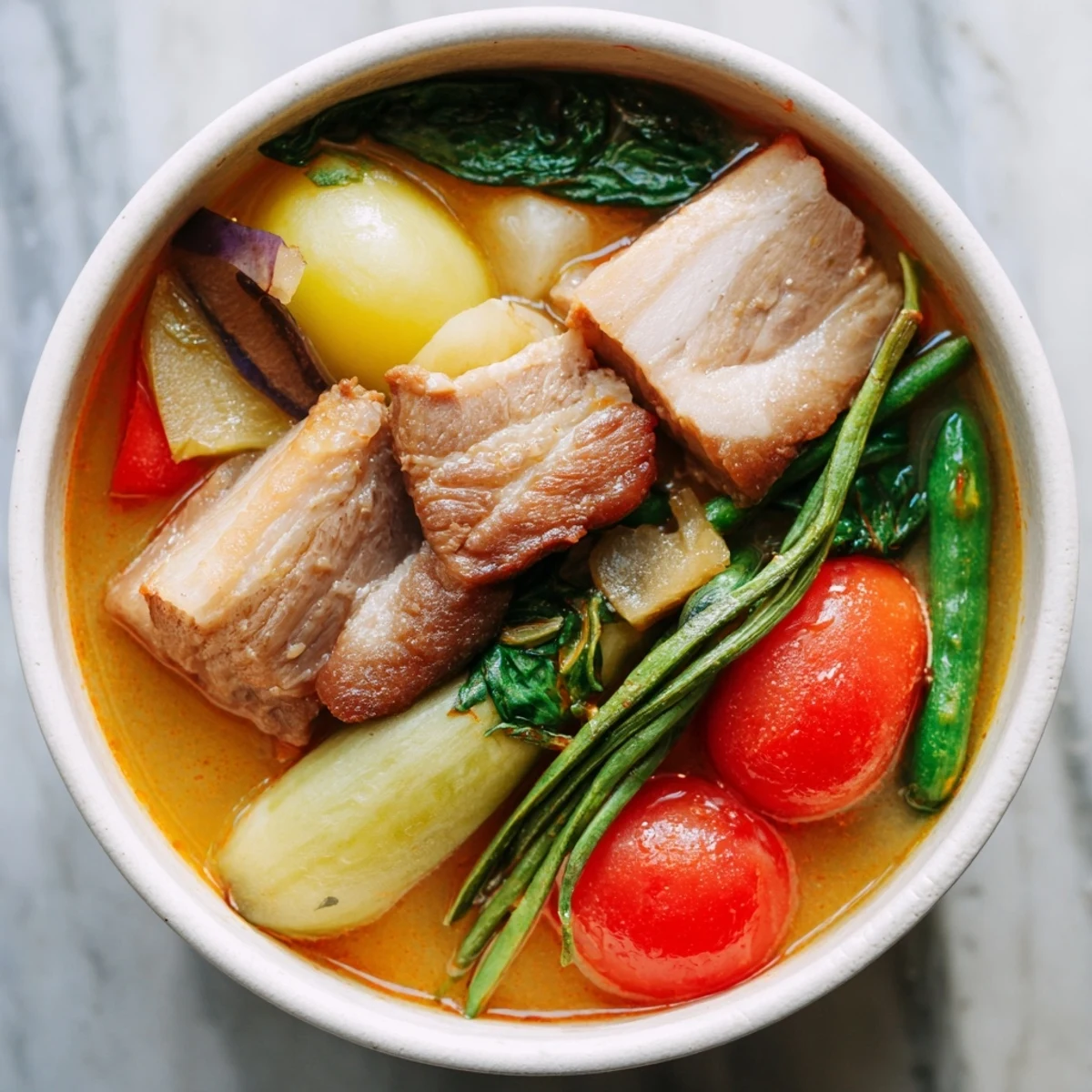
 There's nothing quite like lifting a spoonful of sinigang to your mouth and feeling that perfect sour warmth spread through you. I hope this recipe becomes your rainy day comfort too.
Recipe FAQ
- → What makes Sinigang sour?
-
The signature sourness comes from tamarind, which can be used fresh (boiled and strained) or as a convenient soup base mix. Some regions use alternatives like guava, calamansi, or kamias for their unique tart flavors.
- → Can I make Sinigang with other proteins?
-
Absolutely! While pork belly and ribs are traditional, you can substitute with beef shank, shrimp (added in the last 10 minutes), or fish like milkfish. Each protein variation creates a slightly different broth character.
- → What vegetables go best in Sinigang?
-
Classic additions include daikon radish, eggplant, string beans, tomatoes, onions, and leafy greens like spinach or kangkong (water spinach). Some cooks also add okra, taro, or even banana blossoms for extra texture and flavor.
- → How do I adjust the sourness level?
-
Start with the recommended amount of tamarind mix, then taste and gradually add more if desired. You can also balance the sourness with a pinch more salt or fish sauce. Remember that the flavors will continue to meld as it simmers.
- → Is Sinigang spicy?
-
Traditional Sinigang isn't typically spicy, but long green chili peppers are often added for a subtle warmth. The heat level is mild and adjustable - simply omit the chilies or add them whole for gentle flavor without intense spice.
- → How long does Sinigang keep in the refrigerator?
-
Sinigang tastes even better the next day as flavors develop. It will keep refrigerated for 3-4 days in an airtight container. Reheat gently on the stove, adding a splash of water if the broth has reduced too much.