
 Pin It
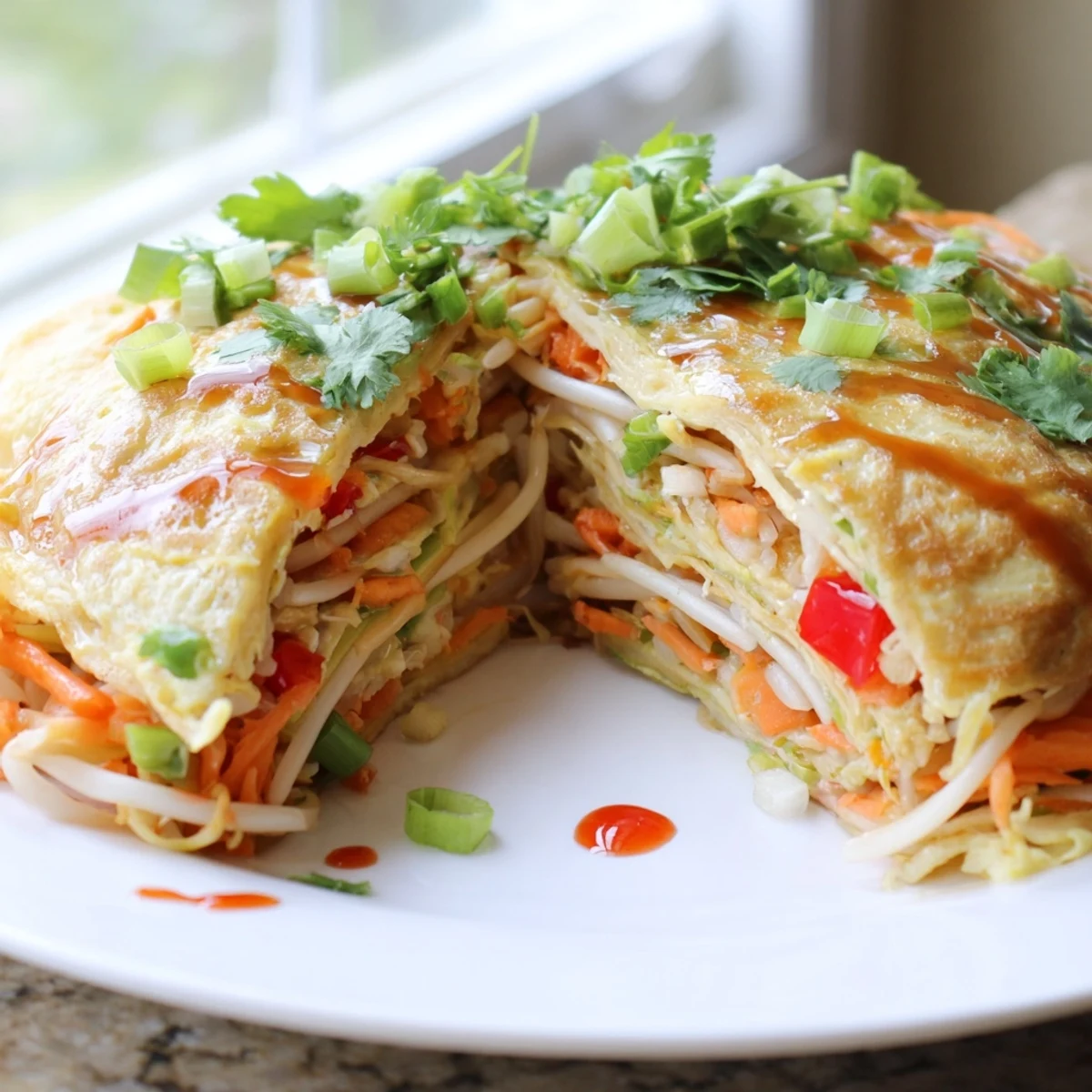
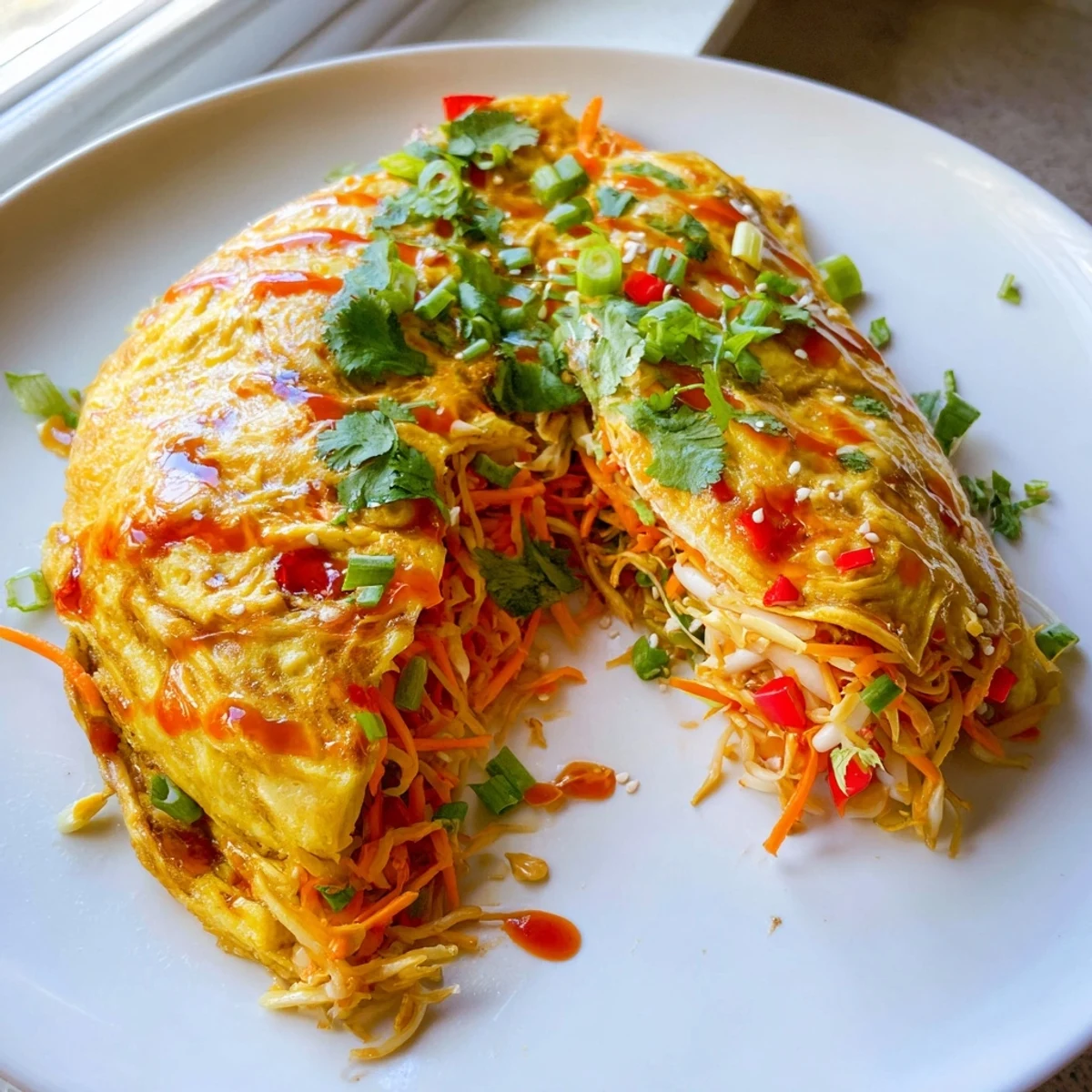
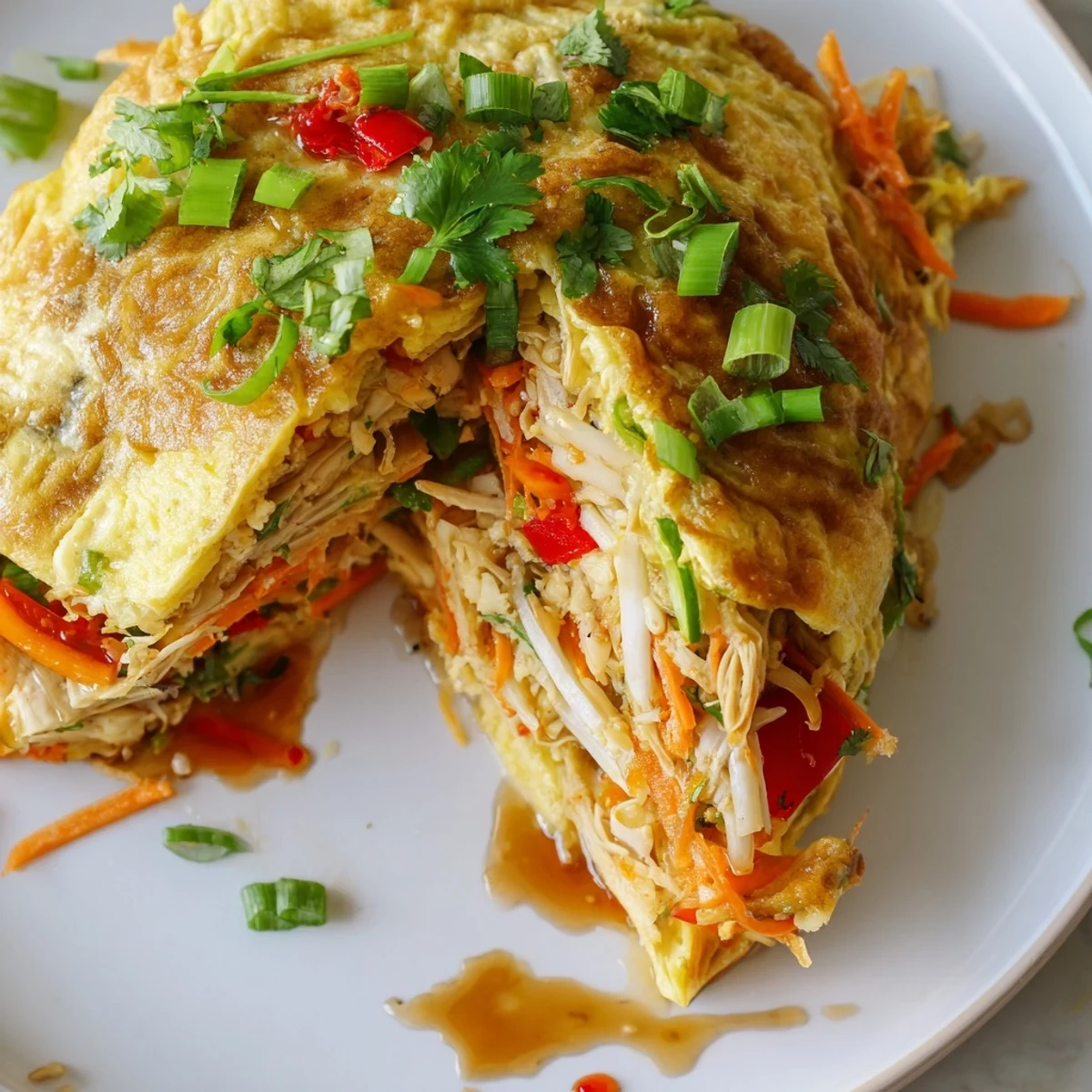
 This Chinese omelette brings together fluffy beaten eggs with a colorful mix of bean sprouts, shredded carrots, bell pepper, and scallions, all seasoned with soy sauce and toasted sesame oil.
It comes together in under 20 minutes, making it an ideal choice for busy mornings or a light lunch. The stir-fried vegetables add crunch and freshness, while the soy sauce and sesame oil deliver that classic savory depth.
Serve it plain, with steamed jasmine rice, or with a drizzle of chili sauce for extra heat.
The sizzle of garlic hitting a hot wok on a lazy Sunday morning is one of those sounds that pulls everyone into the kitchen before you even call them. My friend Lian taught me this omelette during a rainy weekend when we had almost nothing in the fridge except eggs and leftover stir fry vegetables. What started as a desperate brunch attempt turned into the most requested dish at every gathering since. That first bite, savory and plush with sesame perfume, changed how I think about eggs forever.
I once made this for my neighbor who swore she hated eggs, and she now texts me every Saturday asking if I am making the Chinese one. There is something about the combination of crisp vegetables tucked inside a soft, golden fold that makes skeptics convert on the spot. Even my nephew, who survives on chicken nuggets, ate two servings without looking up from his plate.
Ingredients
- 4 large eggs: The foundation, so buy the best you can find since the flavor really shines through.
- 2 tbsp milk or water: A splash of liquid keeps the eggs fluffy and tender rather than rubbery.
- 1/4 cup diced scallions: These bring a mild onion bite that permeates every bite of the omelette.
- 1/4 cup shredded carrots: They add a gentle sweetness and a pop of orange that makes the dish beautiful.
- 1/4 cup bean sprouts: A refreshing crunch that contrasts perfectly with the soft egg.
- 1/4 cup diced bell pepper: Choose red for sweetness or green for a slightly sharper edge.
- 1 clove garlic, minced: Just one clove is enough to scent the entire pan without overpowering.
- 1 tbsp soy sauce: This is the secret that makes the eggs taste unmistakably Chinese.
- 1/2 tsp toasted sesame oil: A little goes a long way and adds that warm, nutty aroma.
- 1/4 tsp ground white pepper: Subtler and more complex than black pepper, it is worth seeking out.
- Salt: Just a pinch, since the soy sauce already carries saltiness.
- 1 tbsp vegetable oil: Neutral oil lets the other flavors take center stage.
- Fresh cilantro, chopped (optional garnish): Fresh herbs brighten everything at the end.
- Chili sauce or sweet soy sauce (optional): A drizzle on top adds a finishing kick that ties it all together.
Instructions
- Whisk everything together:
- Crack the eggs into a bowl with the milk or water, soy sauce, sesame oil, white pepper, and a pinch of salt, then whisk vigorously until the mixture looks uniform and slightly frothy on top.
- Wake up the aromatics:
- Heat the vegetable oil in a nonstick skillet over medium heat, then toss in the garlic and scallions, stirring for about thirty seconds until your kitchen smells incredible.
- Quick fry the vegetables:
- Add the carrots, bell pepper, and bean sprouts, stir frying for just one minute so they soften slightly but still have a satisfying crunch when you bite into them later.
- Pour and spread:
- Arrange the vegetables in an even layer across the pan, then pour the egg mixture over them, tilting the pan gently so the liquid reaches every corner.
- Let it set undisturbed:
- Cook without touching for two to three minutes until the edges firm up, then carefully lift them with a spatula so the runny egg on top flows underneath to cook.
- Fold and finish:
- When the top is just set but still a touch moist, fold the omelette in half or roll it up gently, then cook another minute or two until everything is cooked through but still soft inside.
- Plate and garnish:
- Slide the omelette onto a warm plate, scatter fresh cilantro and extra scallions over the top, and add a drizzle of chili sauce or sweet soy if you want an extra layer of flavor.
 Pin It
 The morning I realized this omelette had become tradition was when my roommate started setting the table before I even turned on the stove.
Making It Your Own
Toss in cooked shrimp, diced chicken, or leftover ham with the vegetables if you want something heartier. A dash of oyster sauce or a shake of chili flakes in the egg mixture opens up entirely new flavor directions. This omelette is also incredible folded into steamed jasmine rice or stuffed between two slices of toasted bread for a sandwich that defies every boring lunch you have ever eaten.
Tools That Actually Matter
A nonstick skillet or a well seasoned wok is the single most important tool here, followed closely by a flexible spatula that can slide under delicate eggs without tearing them. A simple whisk and a medium mixing bowl are all you need for the egg mixture. Beyond that, a sharp knife and a cutting board for prepping the vegetables will save you time and keep your fingers safe.
Keeping It Safe And Delicious
This recipe contains eggs, soy, and sesame, so check with anyone you are cooking for about allergies before serving. If someone needs gluten free, swap the soy sauce for tamari and you are completely in the clear.
- Always use fresh eggs for the best texture and flavor.
- Check labels on soy sauce if serving to someone with gluten sensitivity.
- Serve immediately because this omelette waits for no one.
 Pin It
 Some dishes become favorites because they are impressive, but this one earns its place because it is effortless, forgiving, and always satisfying. Keep it in your back pocket for mornings when you want something warm and homemade without any fuss.
Recipe FAQ
- → Can I make a Chinese omelette without a wok?
-
Yes, a nonstick skillet works perfectly fine for making a Chinese omelette. A wok is traditional but not required. Use a pan that's at least 10 inches wide to give the egg mixture enough room to spread thin and cook evenly.
- → What vegetables work best in a Chinese omelette?
-
Scallions, bean sprouts, shredded carrots, and diced bell pepper are classic choices. You can also add mushrooms, cabbage, bok choy, or water chestnuts. Avoid watery vegetables like tomatoes, as they can make the omelette soggy.
- → How do I keep the omelette fluffy and not rubbery?
-
Whisk the eggs until slightly frothy and add a splash of milk or water for extra fluffiness. Cook over medium heat rather than high heat, and avoid overcooking. Remove the omelette from the pan while the top is still slightly moist — carryover heat will finish the job.
- → Can I add meat to this Chinese omelette?
-
Absolutely. Cooked shrimp, diced chicken, or ham are excellent additions. Stir-fry the meat with the vegetables before pouring in the egg mixture. Make sure any raw proteins are fully cooked through before adding the eggs.
- → Is Chinese omelette gluten-free?
-
The omelette itself is naturally gluten-free, but soy sauce contains wheat. Simply swap regular soy sauce for tamari or a certified gluten-free soy sauce to make the entire dish safe for a gluten-free diet.
- → What should I serve with a Chinese omelette?
-
Steamed jasmine rice is a natural pairing. You can also serve it with a simple side salad, in a sandwich, or alongside congee. A drizzle of sweet soy sauce or chili sauce on top adds a nice finishing touch.