
 Pin It
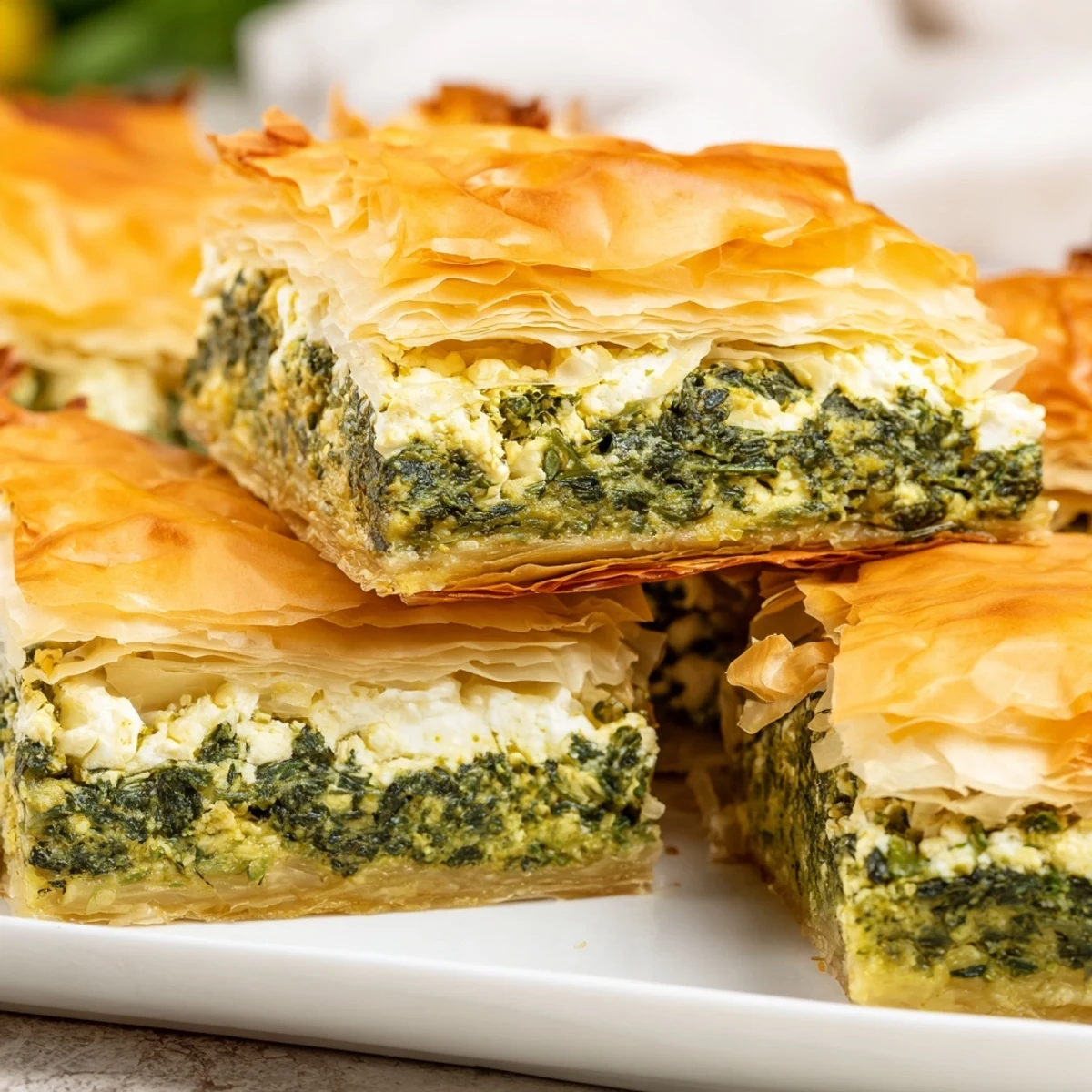
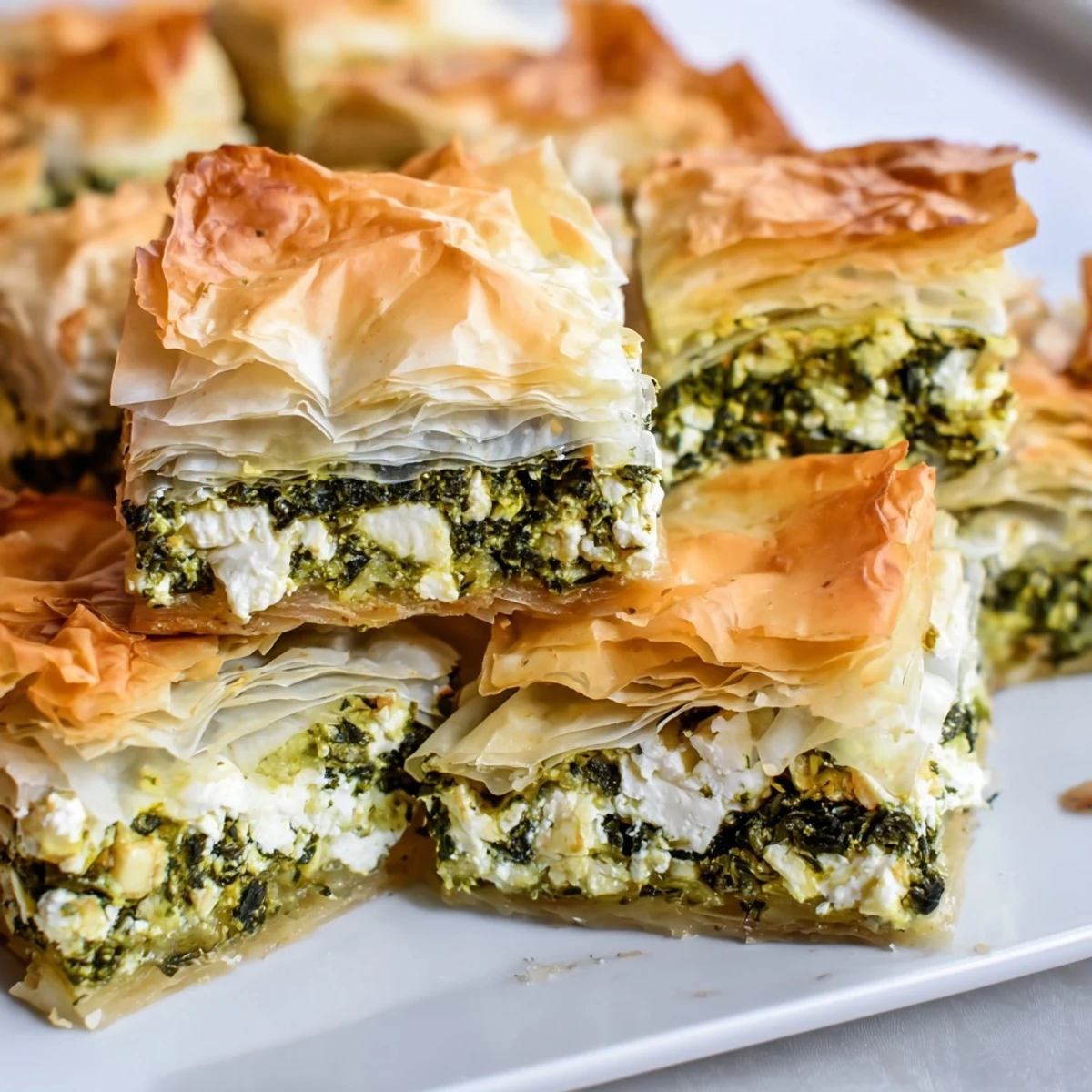
 Authentic Greek spanakopita features delicate layers of buttery phyllo pastry enclosing a vibrant filling of fresh spinach, crumbled feta, ricotta, and fragrant herbs like dill, parsley, and mint. The result is a golden, flaky pie with a creamy, savory center that balances richness with fresh herbal notes. Perfect for entertaining, spanakopita serves beautifully as an appetizer, side dish, or vegetarian main. The key lies in thorough spinach draining to prevent sogginess, brushing each phyllo sheet generously with olive oil and butter for maximum crispiness, and scoring before baking to ensure clean portions.
The first time I attempted spanakopita, my tiny apartment kitchen smelled like a Greek taverna for days. I had invited friends over and nervously worked through layer after layer of phyllo, terrified it would turn into a soggy mess. When I pulled that golden, flaky pie from the oven, something magical happened. The sound of that first crispy bite through the top layer still makes me smile.
Last summer, I made this for a rooftop dinner party as the sun was setting over the city. My friend Maria, who grew up in Thessaloniki, took one bite and got quiet. She said the ratio of dill to mint reminded her exactly of her grandmothers kitchen. We ended up sitting around the spanakopita for hours, picking at the edges and talking about food memories until the stars came out.
Ingredients
- 1 kg fresh spinach: Fresh spinach gives the best texture and flavor, though frozen works in a pinch just make sure to squeeze out every drop of excess water
- 400 g feta cheese: Good quality feta is non negotiable here, it should crumble beautifully and have that perfect salty tang
- 200 g ricotta cheese: This adds creaminess that balances the crumbly feta, creating a luscious filling that holds together
- 450 g phyllo dough: Keep it covered with a damp towel as you work, dried out phyllo is the enemy of crispy layers
- 100 ml olive oil and 50 g butter: The combination of olive oil and butter gives the best flavor and that irresistible golden finish
- Fresh dill, parsley and mint: This herb trio is what makes spanakopita sing, do not skip the fresh herbs
- 2 large eggs: These bind everything together into a cohesive filling that will not ooze out
Instructions
- Prep your filling with patience:
- Sauté the onions until they are soft and translucent, then wilt the spinach in batches, letting all that excess liquid evaporate so your filling is not watery
- Build the flavor foundation:
- Stir in the fresh herbs and let the mixture cool slightly before combining with the crumbled feta, ricotta, eggs, and seasonings
- Layer with love:
- Brush each phyllo sheet generously with olive oil and melted butter, building up 6 to 8 layers before spreading your filling evenly
- Create the golden crown:
- Layer the remaining phyllo on top, tuck in the edges, and score the surface into squares or diamonds before baking until deeply golden
 Pin It
 This recipe has become my go to for bringing people together. There is something about the communal nature of cutting through those scored layers, everyone reaching for the corner piece, that turns dinner into an occasion.
Making It Ahead
I often assemble the entire spanakopita the night before, cover it tightly, and keep it in the refrigerator. The next day, I let it come to room temperature for about 30 minutes before baking. This actually improves the flavor development.
Freezing Instructions
You can freeze unbaked spanakopita by wrapping it thoroughly in plastic and foil. When you are ready to bake, do not thaw it first. Just add about 15 to 20 minutes to your baking time and cover with foil if the top browns too quickly.
Serving Suggestions
Spanakopita is wonderful warm or at room temperature, making it perfect for picnics and potlucks. I love serving it alongside a crisp Greek salad with plenty of olives.
- A glass of cold Assyrtiko or Sauvignon Blanc cuts through the richness beautifully
- Some tzatziki on the side adds a cool contrast to the warm, flaky pie
- Leftovers reheat surprisingly well in a toaster oven, maintaining that satisfying crunch
 Pin It
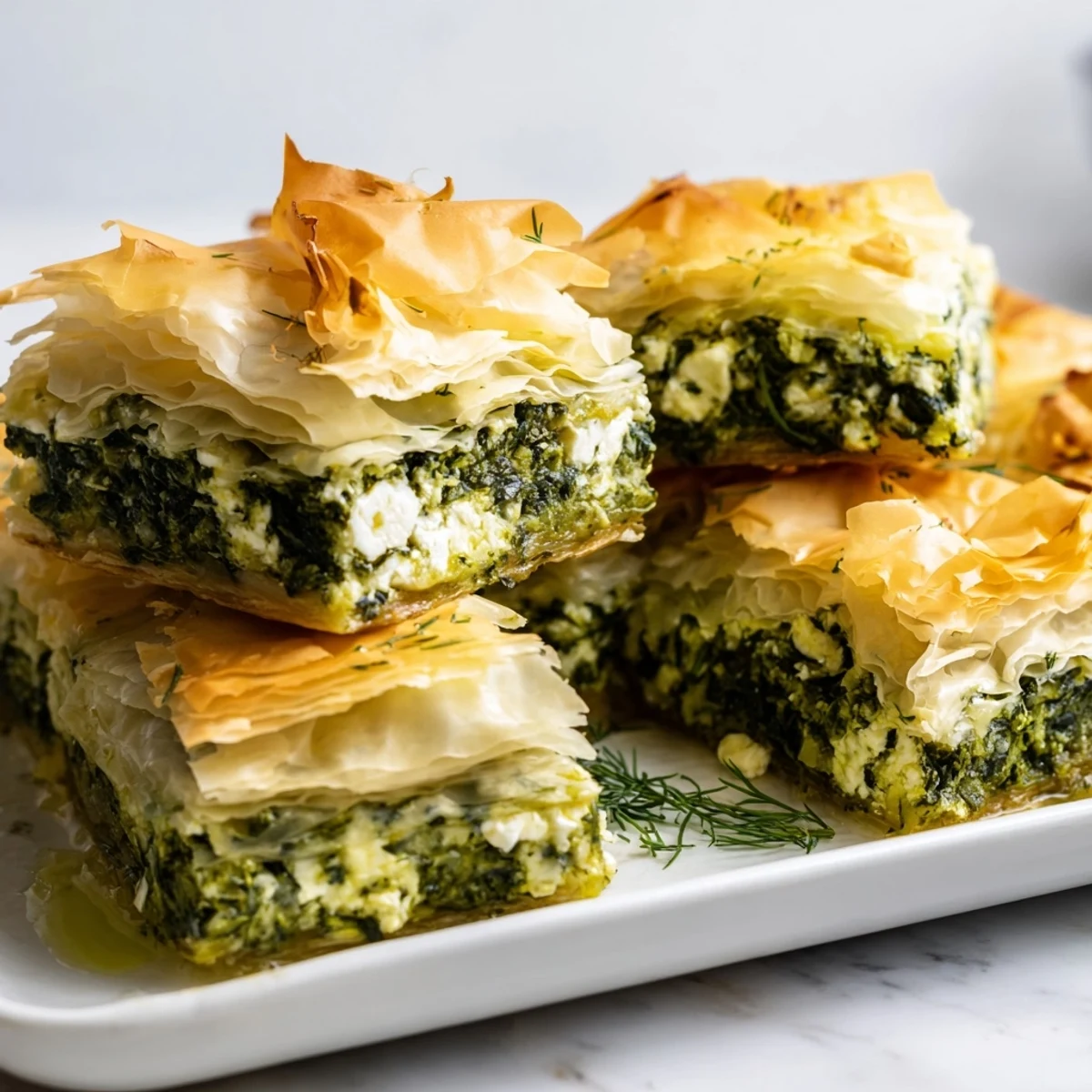
 There is nothing quite like watching someone take that first bite and seeing their eyes light up at the layers of flaky, herb filled perfection. This is the kind of food that turns strangers into friends.
Recipe FAQ
- → Can I make spanakopita ahead of time?
-
Yes, you can assemble the entire spanakopita up to 24 hours before baking and refrigerate it covered tightly. Add 5-10 minutes to the baking time if baking from cold. Alternatively, bake it fully and reheat at 180°C for 10-15 minutes to restore crispiness.
- → How do I prevent the phyllo from drying out?
-
Keep unused phyllo sheets covered with a damp kitchen towel while working. Remove only one sheet at a time, and work efficiently to minimize exposure to air. If sheets dry out, they may crack or become difficult to handle.
- → Can I freeze spanakopita?
-
Absolutely. Freeze assembled but unbaked spanakopita tightly wrapped for up to 3 months. Bake from frozen, adding 15-20 minutes to the cooking time. You can also freeze leftovers (already baked) and reheat in the oven.
- → What's the difference between using fresh and frozen spinach?
-
Fresh spinach offers better texture and flavor but requires thorough washing, chopping, wilting, and draining. Frozen spinach is more convenient but must be thawed completely and squeezed to remove all excess moisture to prevent a soggy filling.
- → Can I substitute the feta cheese?
-
Traditional spanakopita relies on feta for its signature tangy flavor and crumbly texture. While you can use other salty cheeses like halloumi or a firmer goat cheese, the flavor profile will change noticeably. For a dairy-free version, try a firm tofu blended with lemon juice and nutritional yeast.
- → Why is my spanakopita soggy in the middle?
-
Sogginess usually stems from excess moisture in the spinach filling. Ensure fresh spinach is thoroughly wilted and drained, or frozen spinach is well-squeezed. Also, make sure the oven is fully preheated and avoid cutting the pie before it has cooled slightly.